The hours after a microneedling session can make the difference between skin that settles beautifully and skin that stays irritated longer than it should. At home microneedling after care is not complicated, but it does need to be precise. When your skin has just been treated, it is more vulnerable, more absorbent, and less forgiving of the wrong products, heat, friction, or sun.
That is why aftercare should never be treated as an extra step. It is part of the treatment itself. If your goal is smoother texture, softer fine lines, better-looking scars, or a more refined tone, what you do in the first 24 to 72 hours matters almost as much as the session.
Why at home microneedling after care matters
Microneedling works by creating controlled micro-channels in the skin. Those channels support the skin’s natural repair response, which is what helps improve texture, firmness, and overall appearance over time. Right after treatment, though, your skin barrier is temporarily compromised.
That means two things are true at once. Your skin is in a high-performance renewal phase, and it is also more reactive than usual. Products that feel harmless on a normal day can sting, trigger redness, or lead to unnecessary irritation after needling. Good aftercare protects that recovery window so your results stay on track.
What to expect right after treatment
Most people notice redness similar to a mild sunburn for several hours, sometimes into the next day. The skin may feel warm, tight, dry, or slightly rough. Some areas can look pink longer than others, especially if you treated around the nose, cheeks, or forehead more intensively.
Mild sensitivity is normal. Heavy swelling, intense burning, pus, or prolonged pain is not. If your skin reaction seems excessive, stop using active products and monitor it closely.
The first 24 hours: keep it simple
The best approach on day one is restraint. Freshly microneedled skin does not need a long routine. It needs calm, clean support.
Start with clean hands and a clean pillowcase. Avoid touching your face unless necessary. If your provider or device instructions recommend a post-treatment hydrating serum, use only formulas designed to be gentle and non-irritating. Think hydration and barrier support, not correction.
For cleansing, less is more. If you need to wash your face later that day, use lukewarm water and a very mild cleanser. Do not scrub, exfoliate, or use cleansing brushes. Pat dry gently with a clean towel.
You should also avoid makeup during the initial recovery period. Even when the skin looks less red, it may still have open micro-channels. Applying foundation too soon can increase the chance of irritation.
What to put on your skin after microneedling
Hydration is the priority. The most useful post-treatment products are simple, soothing, and barrier-friendly. A basic hyaluronic acid serum, calming recovery gel, or fragrance-free moisturizer can work well if the formula is appropriate for recently treated skin.
This is not the time for strong actives. Skip retinol, exfoliating acids, vitamin C in potent forms, benzoyl peroxide, and any product that tingles even on a good day. If a product is designed to stimulate, brighten aggressively, peel, or deeply resurface, save it for later.
A lot of people make the mistake of layering too much because they want faster results. Usually, the opposite is true. Overloading the skin right after treatment can create setbacks that delay progress.
What to avoid in the first 48 to 72 hours
Heat, sweat, sun, and friction are the big four. Each one can increase redness and interfere with recovery.
Skip intense workouts, saunas, steam rooms, hot yoga, and long hot showers for at least the first day or two. If your face gets flushed easily, extend that window. The same goes for direct sun exposure. Freshly treated skin is more photosensitive, and UV exposure can make post-treatment redness and pigmentation concerns worse.
You also want to avoid rubbing the skin with washcloths, exfoliating pads, or harsh towels. Even sleeping face-down can irritate sensitive areas. Small details matter here.
Sunscreen after microneedling
Sun protection is one of the most important parts of at home microneedling after care. If you are going outside, use a broad-spectrum sunscreen once your skin is ready to tolerate it. For many people, a gentle mineral sunscreen is the most comfortable option after treatment because it tends to be less irritating than more active-feeling formulas.
If sunscreen stings, your skin may need a bit more recovery time before application. In that case, minimize sun exposure as much as possible with shade, a hat, and staying indoors when you can. Protection is non-negotiable, especially if you are treating uneven tone or post-acne marks.
When you can restart active skincare
This depends on your skin sensitivity, the depth used, and how your skin looks the next day. For very mild sessions, some people can return to their usual routine sooner. For more intensive treatments, waiting several days is often smarter.
A practical rule is to restart one active at a time, not everything at once. If your skin is still pink, tight, flaky, or extra sensitive, it is too early for retinoids or exfoliating acids. Let the skin normalize first.
If your goal is long-term improvement in wrinkles, acne scars, or pigmentation, patience pays off. Protecting the barrier now usually leads to a better overall response than rushing back into aggressive products.
How to support better healing
Recovery is not just about what you avoid. It is also about how consistently you support your skin.
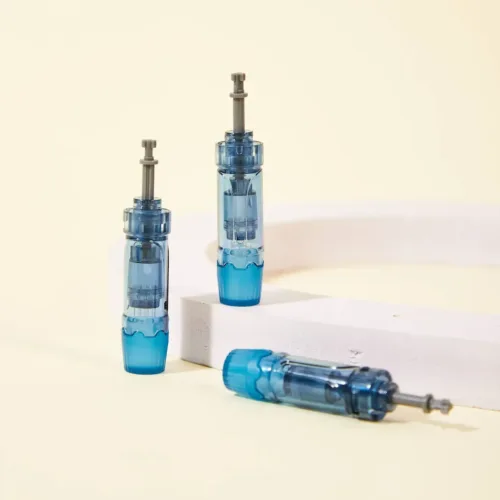
Keep your routine clean and predictable for a few days. Change your pillowcase. Avoid picking at any dry patches. Drink enough water. If you wear your hair down, keep styling products away from the treated area. If you used a microneedling pen with disposable cartridges, proper single-use cartridge handling and device hygiene matter before and after every session, not just during treatment.
For users who want professional results at home, this is where quality and technique really matter. Authentic devices, correct cartridge compatibility, and safe post-treatment habits help reduce unnecessary risk. That is one reason many customers choose trusted sources such as Dr. Pen Official Store when building an at-home routine.
Common mistakes that can affect results
The most common aftercare mistake is assuming redness fading means the skin is fully recovered. Often, the surface looks calmer before the barrier is fully back to normal.
Another mistake is using treatment products too soon because the skin feels dry or rough. That roughness is often part of the normal recovery process, not a sign that you need an acid exfoliant. Pushing too early can trigger more irritation, not better texture.
People also underestimate how much sun exposure matters. Even brief exposure can be a problem after needling, especially for those prone to hyperpigmentation. If you are treating discoloration, sun discipline is part of the results plan.
How aftercare can vary by skin concern
Not every recovery plan looks exactly the same. If you are microneedling for acne scars or texture, you may be more willing to accept a little downtime. If your focus is fine lines or product absorption, you may be doing gentler sessions that recover faster.
Skin tone and sensitivity also matter. People with reactive skin may need a longer window before restarting active ingredients. Those dealing with pigmentation should be especially careful with heat and UV exposure after treatment. The principle stays the same: calm healing first, correction second.
When to be cautious or stop
If your skin develops increasing redness after the first day, unusual swelling, rash-like bumps, or signs of infection, do not continue your normal routine just because a schedule says you should. Recovery should gradually improve, not worsen.
This is also a good reminder that at-home microneedling works best when expectations are realistic. More depth, more passes, or more frequent sessions do not always mean better results. Controlled treatment paired with disciplined aftercare is the safer path.
A smart recovery rhythm
Think of aftercare as a reset window. Cleanse gently, hydrate well, protect from sun, and give the skin time to do its job. That rhythm may feel simple, but it is exactly what allows microneedling to perform like a high-value treatment instead of turning into unnecessary irritation.
If you want clinic-quality skin without the clinic price, the session gets the attention, but the healing phase earns the results. Treat your aftercare with the same level of care as the device in your hand, and your skin will usually show the difference.