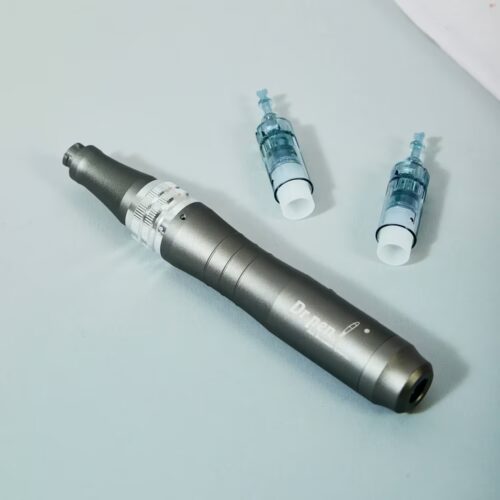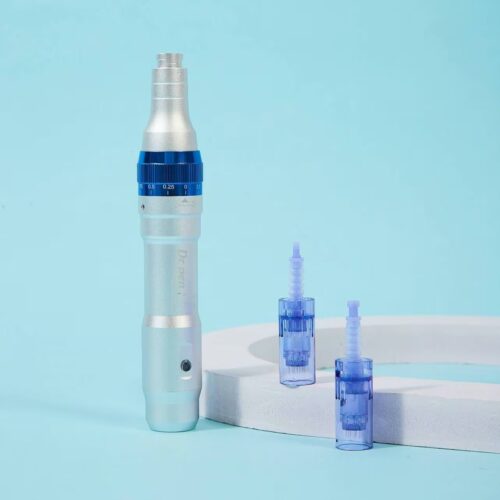
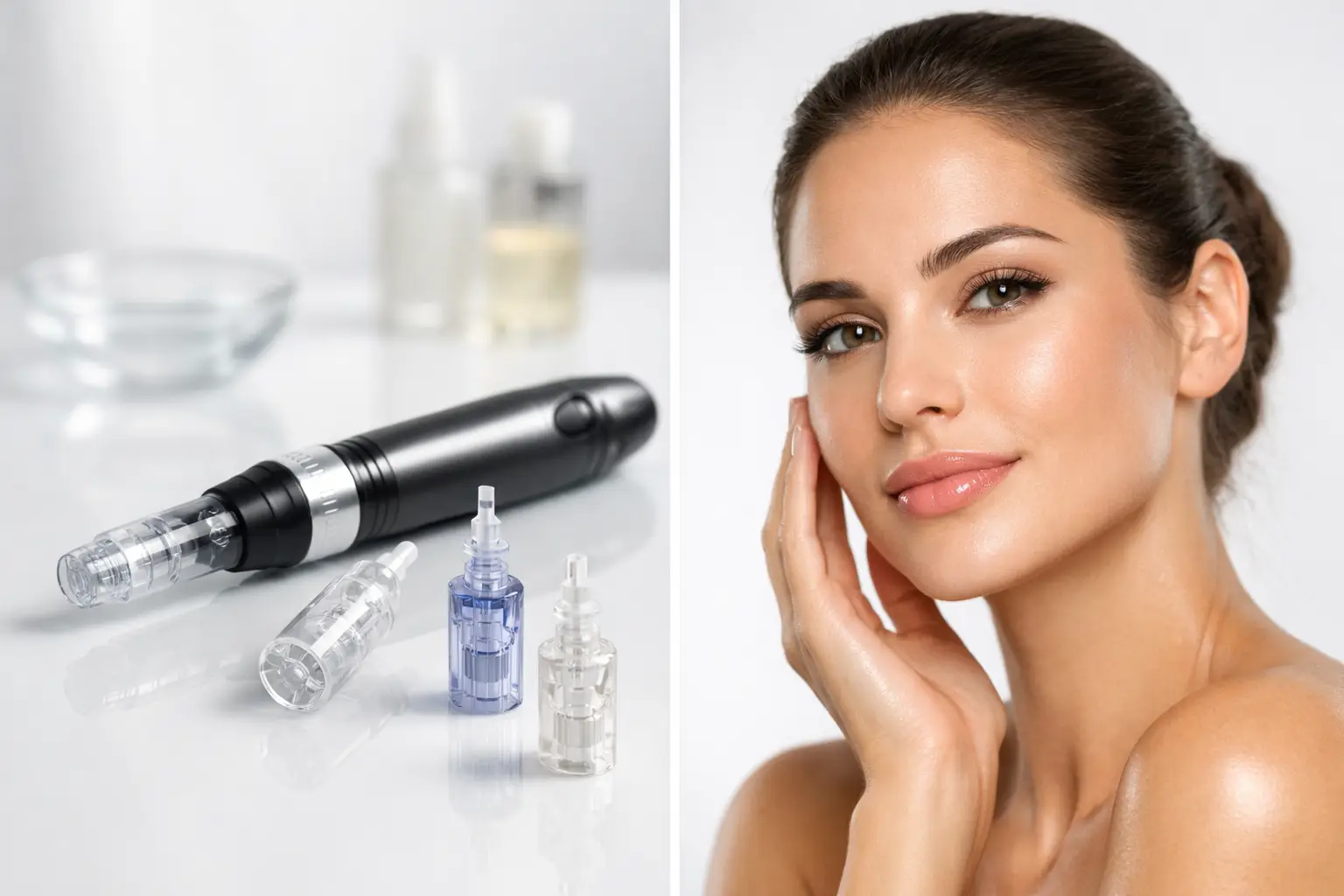
A cartridge can change how your entire microneedling session feels. The right one glides evenly, suits your skin concern, and helps you get the kind of finish you actually want – whether that is smoother texture, softer acne scars, or better serum absorption. If you are searching for the best microneedling cartridges for face treatments, the answer is not one universal tip size. It depends on your skin goals, your device model, and how much precision you need.
That is where many at-home users get stuck. They spend time comparing pens, then treat cartridges like an afterthought. In practice, cartridges matter just as much. Needle count affects coverage. Cartridge shape affects control around facial contours. Compatibility affects performance and safety. And because facial skin is not all the same thickness, what works well on the cheeks may not feel ideal around the nose or forehead.
What makes the best microneedling cartridges for face use?
For facial microneedling, the best cartridge is usually the one that matches three things at once: your skin concern, your comfort level, and your pen. A cartridge that is excellent for improving broad texture on the cheeks may be less useful for detail work around the mouth. Likewise, a cartridge with very few needles can offer precision, but it may take longer to treat larger areas.
Quality and safety come first. Facial treatments call for single-use, properly sealed, disinfected cartridges designed for your exact device. A secure fit supports consistent needle motion, and that consistency matters when you want even results across the face. If the cartridge does not match the pen model, performance can become unpredictable.
Needle count is the next major factor. Higher needle counts are often chosen for broader coverage and smoother glide across larger facial zones. Lower counts can offer more focused treatment, which some experienced users prefer for targeted concerns like visible acne scars or defined lines. Neither is automatically better. It is a trade-off between speed, coverage, and precision.
How needle count affects facial results
When shoppers compare cartridges, the first thing they usually notice is the number. That number matters, but it should be read in context.
A 12-pin cartridge is often a strong choice for users who want a balanced option for the face. It can provide controlled treatment with enough coverage for common concerns like uneven texture, early signs of aging, and post-acne marks. Many people see it as a practical middle ground – not too broad, not too specialized.
A 16-pin cartridge can feel more efficient on larger facial areas. If your goal is general rejuvenation, improved product absorption, or a smoother overall look, this style often appeals to users who want consistent coverage across the cheeks, forehead, and jawline.
A 24-pin, 36-pin, or 42-pin cartridge is typically selected for wider coverage and a softer treatment feel across larger zones. Higher pin counts can distribute contact across more needles, which some users find useful for routine texture refinement and anti-aging maintenance. The trade-off is that they may be less ideal for highly targeted work on individual scars or tighter facial contours.
Nano cartridges belong in a different category. They do not create the same kind of traditional microneedling channels as standard needle cartridges. Instead, they are commonly used to support superficial product application and skin-smoothing sessions with minimal downtime. For users focused on glow, finish, and enhanced topical absorption rather than deeper rejuvenation goals, nano can be a smart addition.
Choosing by skin concern, not just cartridge type
The best facial cartridge depends on what you want to improve.
If your main goal is fine lines and early signs of aging, a medium or higher pin count often makes sense because these concerns usually affect broader areas of the face. For general collagen support and texture refinement, users often prefer cartridges that can cover the face efficiently without feeling too aggressive.
If acne scars are the priority, more precision may matter. Some users lean toward lower or mid-range pin counts for better control over scar-prone areas, especially on the cheeks. Scar work often requires more deliberate technique, so the fastest cartridge is not always the best one.
If dullness and poor product absorption are your main concerns, nano cartridges can be useful between full microneedling sessions. They are not a replacement for traditional cartridges when your goal is scar revision or visible firmness, but they can complement a routine built around radiance and smoother surface texture.
If you are treating uneven tone or post-inflammatory marks, your choice may depend on how widespread the discoloration is. Broad, overall concerns may respond well to cartridges designed for even coverage. Smaller, localized marks may call for more targeted control.
Best microneedling cartridges for face beginners
If you are new to at-home microneedling, simplicity usually leads to better results. Beginners often do best with a cartridge that feels easy to guide across the major zones of the face without overcomplicating technique.
That is why a 12-pin or 16-pin cartridge is often the safest starting point for full-face use. These options tend to offer a good balance of control and efficiency. They can help first-time users build confidence with facial passes, especially when learning how different areas of the face respond.
Nano cartridges are also beginner-friendly in a different way. They are useful for users who want to start with a low-commitment treatment focused on glow and topical absorption. Just keep the goal clear. A nano session is not the same as a deeper microneedling treatment designed to support scar or wrinkle improvement.
Why cartridge compatibility matters more than many buyers expect
Not every cartridge fits every pen, even within the same brand family. Facial results depend on smooth, stable needle movement, and that starts with a cartridge made for the exact device model you own.
This is especially important for users choosing between device families such as the A20, M8, M8S, A11, or Q2. The cartridge connection, needle movement, and intended treatment style can vary by model. Using the correct replacement cartridge supports both hygiene and performance, while the wrong fit can lead to poor handling or inconsistent stamping.
If you are investing in professional-grade results at home, authenticity matters here too. Official, model-specific cartridges help ensure you are getting the fit, sterility, and treatment consistency your device was designed to deliver.
Safety standards for facial microneedling
A facial cartridge should always be disposable and single use. Reusing cartridges increases contamination risk and can compromise needle sharpness, which is the last thing you want on facial skin.
Sealed packaging matters. So does visible cleanliness and proper storage before use. If a cartridge arrives damaged, loose, or questionable, it should not go near your face.
Technique also shapes cartridge choice. A cartridge that is too advanced for your experience level can lead to uneven pressure or overworking certain areas. The face rewards controlled, consistent passes. It does not reward guesswork.
How experienced users choose the right facial cartridge
Experienced users usually stop asking, “Which cartridge is best?” and start asking, “Which cartridge is best for this treatment?” That shift matters.
For a full-face anti-aging session, they may choose a cartridge with broader coverage. For targeted scar work, they may switch to something with more precision. For maintenance between deeper treatments, they may use nano to support a fresher-looking finish with minimal interruption to their routine.
This kind of rotation is often what creates a more customized at-home regimen. You do not need every cartridge type available, but having more than one option can make your treatments more specific and more effective.
The smartest way to buy facial microneedling cartridges
Look at your pen model first, your skin goal second, and needle count third. That order helps prevent the most common mistake: buying a cartridge because the number sounds impressive without checking whether it suits your device or treatment plan.
For many users, the most practical setup is straightforward. A mid-range cartridge for standard facial microneedling, plus a nano option for glow-focused maintenance, covers a lot of ground. If acne scars or detailed facial concerns are a major priority, a more precision-oriented cartridge may also be worth keeping on hand.
At Dr. Pen Official Store, that kind of product matching is part of what makes shopping easier. Instead of treating cartridges like generic accessories, it makes more sense to view them as treatment tools – because that is exactly what they are.
The right facial cartridge should make your routine feel more controlled, more hygienic, and more aligned with the results you want to see. When your cartridge matches your device and your goal, your treatments tend to feel less like trial and error and more like a plan.