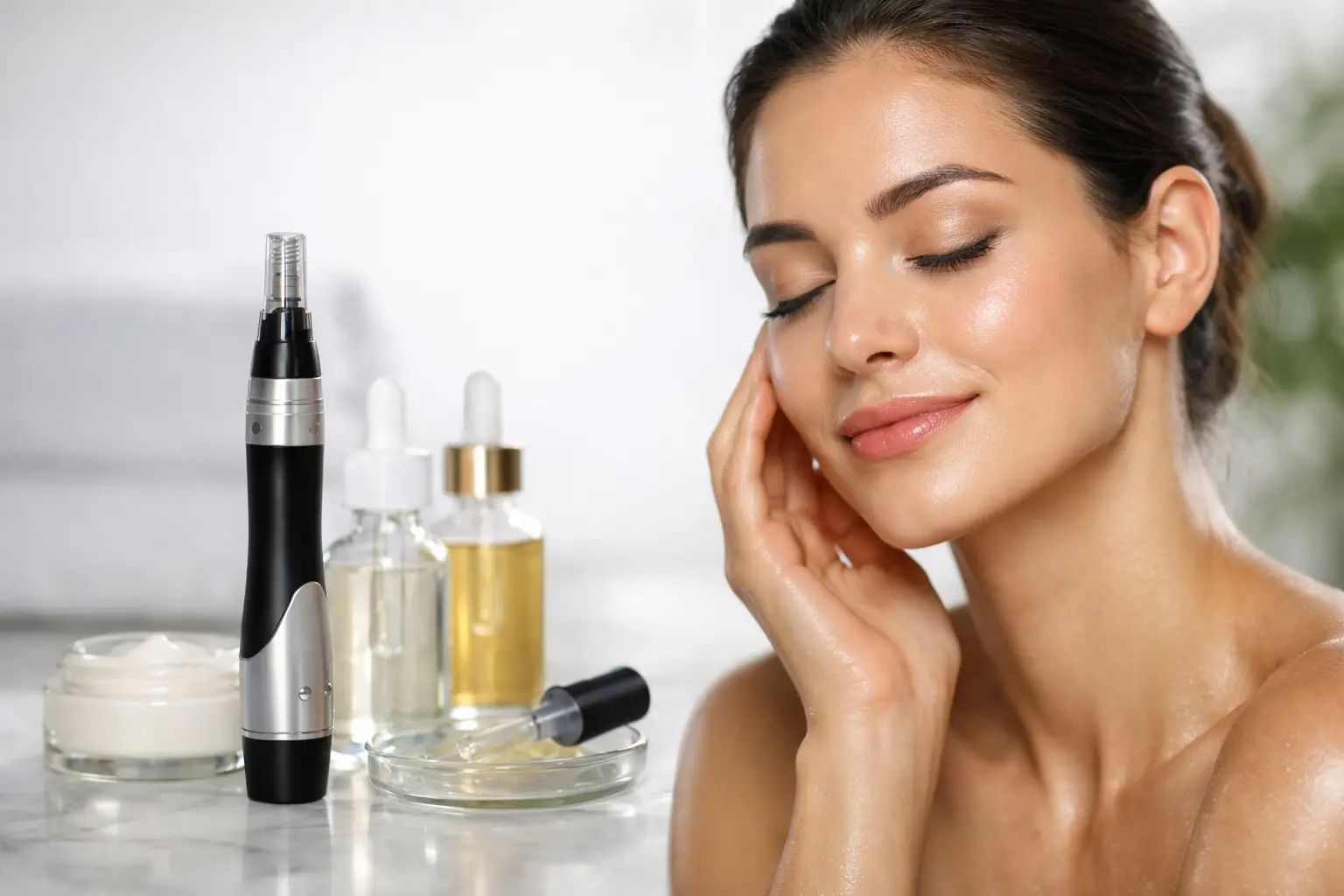
Freshly microneedled skin can look slightly pink, feel warm, and react faster than usual to whatever you apply next. That is why choosing the right microneedling serum after treatment matters so much. The goal is not to throw every active ingredient at your skin. The goal is to support healing, maintain hydration, and protect the results you are working for.
At-home microneedling can improve texture, soften the look of acne scars, and help skin appear firmer and smoother over time. But the treatment itself is only half the equation. Post-treatment care is where many users either protect their progress or accidentally create irritation that slows it down.
What a microneedling serum after treatment should do
Right after a session, your skin barrier is more vulnerable. Tiny micro-channels have been created in the skin, and while that can improve absorption, it also means poorly chosen formulas may sting, inflame, or overwhelm the skin.
A good microneedling serum after treatment should focus on calming and replenishing. Hydration is the first priority because treated skin loses water more easily. A serum with humectants can help draw moisture into the skin and reduce that tight, dry feeling that often follows treatment.
The second priority is barrier support. Skin that is healing responds best to formulas that feel simple, clean, and non-irritating. This is not the time for aggressive resurfacing or highly perfumed skincare. It is the time for ingredients that help skin stay comfortable while it recovers.
The third priority is compatibility. Not every serum that works well on a normal day is a smart choice immediately after microneedling. A product can be excellent in your regular routine and still be wrong for the first 24 to 72 hours after treatment.
Best ingredients to look for after microneedling
The safest post-treatment serums usually have short ingredient lists and a clear purpose. Hyaluronic acid is one of the most common recommendations because it helps bind water to the skin without feeling heavy. When the formula is free from added fragrance, strong acids, and unnecessary extras, it is often a reliable option for immediate aftercare.
Peptides can also be a good fit, especially once the initial post-treatment sensitivity starts to settle. They are often used in performance skincare because they support smoother, healthier-looking skin without the harshness associated with exfoliating acids or retinoids.
Some users also do well with growth factor or recovery-focused serums designed for post-procedure skin. These formulas are typically built around skin comfort, hydration, and a more supported healing process. The key is the formula itself. Even a beneficial ingredient can become a problem if the product also contains alcohol, fragrance, or other sensitizers.
Panthenol, beta-glucan, and centella asiatica are also worth considering if your skin tends to get red or reactive. These ingredients are often chosen for their soothing feel and their ability to reduce the look of post-treatment stress.
Ingredients to avoid right after treatment
This is where people often get too ambitious. After microneedling, more is not better.
Avoid retinoids right away. They may be a valuable part of a long-term anti-aging routine, but immediately after treatment they can lead to excessive dryness, burning, and visible irritation. Strong exfoliating acids such as glycolic acid, lactic acid, and salicylic acid should also wait until the skin barrier is no longer compromised.
Vitamin C is another ingredient that depends on the formula and the timing. Some stable, gentle versions may be tolerated later in recovery, but many vitamin C serums are too active for freshly treated skin. If a serum usually tingles on normal skin, it is not a good immediate post-needling choice.
You should also avoid fragrance, essential oils, alcohol-heavy products, and anything labeled as a peel or resurfacing treatment. Those products may have a place elsewhere in your routine, but not in the first stage of healing.
How to choose the right serum for your skin goals
Not every user is treating the same concern, so the best formula can vary slightly.
If your main concern is dehydration or tightness, keep it simple with a hydrating serum built around hyaluronic acid and soothing support ingredients. If you are focused on early fine lines and firmness, a recovery serum with peptides may make more sense once your skin is calm enough for it. If post-acne marks or uneven texture are your concern, resist the urge to jump back into brightening acids too soon. Recovery first, correction second, usually gives better results.
Sensitive skin needs the most caution. If your skin reacts easily, choose products with minimal ingredients and avoid layering multiple serums after the session. One well-formulated product is often smarter than mixing several actives together.
Oily or acne-prone skin also needs a balanced approach. Many people with breakout-prone skin are used to relying on exfoliants and clarifying serums, but post-microneedling skin still needs gentleness. Barrier-friendly hydration helps more than stripping the skin when it is trying to recover.
When to use serum after microneedling
Timing depends on the formula, needle depth, and your skin’s sensitivity. In general, a gentle hydrating serum is the most appropriate option immediately after treatment. This is the window where bland, non-irritating hydration makes the most sense.
For the next one to three days, keep your routine very controlled. Continue using a calming serum and avoid introducing active ingredients too early. If your skin still feels hot, looks very pink, or stings during application, that is a sign to stay in recovery mode.
Once the skin feels more normal again, you can slowly return to your regular routine. For some users, that happens within 48 hours. For others, especially after a more intensive session, it may take longer. Skin response matters more than the calendar.
A simple post-treatment routine that supports results
Immediately after treatment, your skin does not need a long lineup. It needs restraint. Clean skin, a gentle hydrating or recovery serum, and later a non-irritating moisturizer are usually enough.
The next day, continue with mild cleansing and the same supportive serum. Broad-spectrum sunscreen becomes essential as soon as your skin can tolerate it because newly treated skin is more vulnerable to UV exposure. Skipping sun protection can work against the very goals microneedling is meant to improve, especially if pigmentation is one of your concerns.
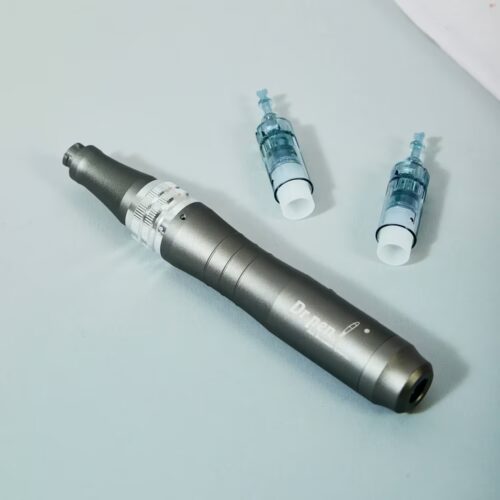
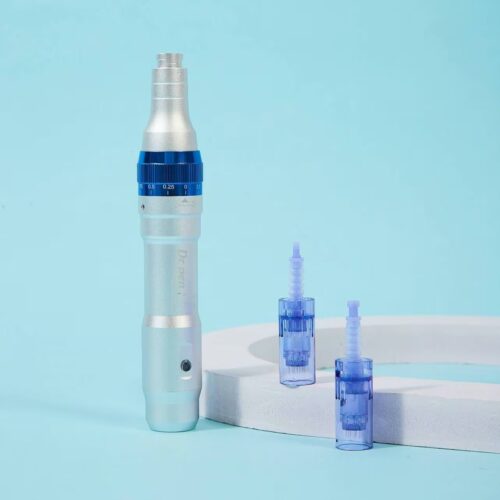
If you are using a professional-style at-home device such as those in the Dr. Pen range, the same principle applies – device quality matters, but aftercare still shapes the experience. Even a well-executed session can be undermined by applying the wrong serum too soon.
Common mistakes that can affect healing
One of the biggest mistakes is assuming that improved absorption means any serum will work better after microneedling. In reality, that is exactly why caution is needed. Freshly treated skin is more permeable, which can turn a normally tolerable product into an irritating one.
Another mistake is chasing visible results too aggressively. Users treating acne scars, texture, or signs of aging may want to stack peptides, acids, retinoids, and brighteners right away. That usually backfires. Calmer healing often leads to better consistency, and consistency is what drives long-term results.
The third mistake is not adjusting for needle depth and skin response. A very superficial session may allow a quicker return to your normal routine. A deeper session often requires more patience. There is no advantage in rushing the process if your skin is telling you it needs more time.
How to tell if your serum is helping or hurting
A good post-treatment serum should make skin feel more comfortable, not more reactive. Mild warmth after a session can be normal, but ongoing burning, intense stinging, increased redness, or itching after application can suggest the formula is not appropriate.
You should also pay attention to delayed irritation. Sometimes a serum feels fine at first but leaves the skin looking angry an hour later. If that happens, scale back to the most basic recovery-focused formula you have and avoid testing new products until the skin settles.
When the right serum is in place, skin typically feels more hydrated, less tight, and easier to manage during the recovery window. That does not mean instant transformation. It means your skin is getting the support it needs to heal cleanly and stay on track.
Choosing a microneedling serum after treatment is really about respecting the condition your skin is in right now, not the results you want six weeks from now. When you match your aftercare to your skin’s healing phase, you give every session a better chance to deliver smoother, healthier-looking skin with less drama in the process.