best microneedling
Microneedling is a popular skincare treatment that promises to rejuvenate your skin. It involves using fine needles to create tiny injuries, stimulating collagen production. This process can improve skin texture, reduce acne scars, and enhance overall appearance.
Whether done professionally or at home, microneedling offers numerous benefits. However, achieving the best results requires understanding the techniques and tools involved.
In this guide, we’ll explore the best microneedling techniques for glowing skin. We’ll cover essential tips, benefits, and considerations for both at-home and professional treatments.
By the end, you’ll have a comprehensive understanding of how to incorporate microneedling into your skincare routine. Get ready to unlock the secrets to radiant skin!
What Is Microneedling and How Does It Work?
Microneedling is a cosmetic procedure that involves using a device with fine needles. These needles create micro-injuries in the skin. This prompts the body’s natural healing processes, boosting collagen and elastin production.
The procedure is minimally invasive with little downtime. It is effective for various skin concerns, such as fine lines, acne scars, and uneven texture. The treatment can be performed on different parts of the body.
Professional treatments are usually more comprehensive, utilizing advanced devices and techniques. However, at-home microneedling can be a convenient option if done correctly.
The process typically involves:
- Applying a numbing cream to the area
- Using a microneedling device over the skin
- Following up with serums for enhanced absorption

Overall, microneedling is hailed as a powerful technique for skin rejuvenation. It can deliver noticeable improvements with consistent treatments.
Key Benefits of Microneedling for Skin Health
Microneedling offers numerous benefits for enhancing skin health. It effectively addresses multiple skin concerns, thanks to its ability to stimulate collagen production. This leads to improved skin texture and elasticity.
For those seeking anti-aging solutions, microneedling is a popular choice. The procedure helps reduce fine lines and wrinkles, offering a more youthful appearance. It’s a natural method that avoids harsh chemicals.
Other notable benefits include:
- Reduction of acne scars
- Minimized pore size
- Improved appearance of stretch marks
- Enhanced absorption of skincare products

The procedure is versatile and suitable for various skin types. It can target specific problem areas or provide an overall glow. Regular sessions can help maintain these positive results, making microneedling a valuable addition to a skincare regimen.
Professional vs. At-Home Microneedling: What’s the Difference?
Microneedling can be performed either professionally or at home. Professional treatments are conducted by dermatologists or trained aestheticians. These sessions often yield more significant improvements due to the precision and depth control professionals can achieve.
At-home microneedling is accessible with the right tools. Devices for home use typically have shorter needles for safety. While effective, at-home treatments often require more frequent sessions to see visible changes.
Key differences between professional and at-home microneedling include:
- Needle Depth: Professional deeper than home devices.
- Results Duration: Professional provides quicker results.
- Safety: Professional guidance reduces risk.

by Planet Airbrush (https://unsplash.com/@planetairbrush)
Choosing between these options depends on individual skin goals and budget. Both methods can be beneficial, but combining them with professional guidance might enhance results. Always ensure tools are sanitized and follow safety tips for at-home procedures.
Essential Tools and Devices for Best Microneedling Results
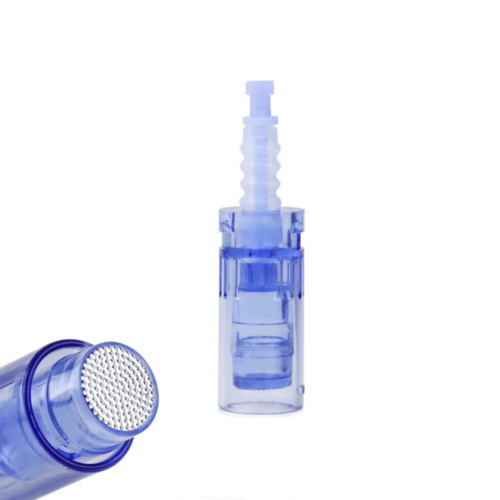
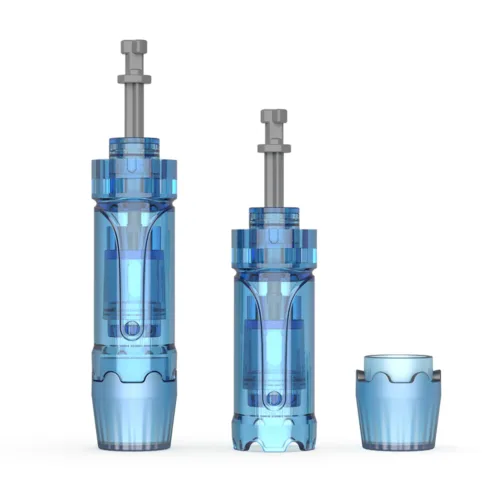
Achieving top-notch microneedling results requires the right tools. At-home devices differ from professional ones but choosing quality is crucial. Tools should feature durable materials and precise engineering. High-quality roller heads or pens ensure better skin penetration and safety.
Here are some essential tools to consider:
- Microneedling Pen: Offers adjustability and precision.
- Derma Roller: Effective for beginners with shorter needles.
- Sanitizing Solution: Keeps devices clean and safe.
- Serum Applicators: Enhance absorption post-treatment.

by Content Pixie (https://unsplash.com/@contentpixie)
Regularly sanitize devices before and after use to prevent infection. Invest in reliable brands to avoid potential skin issues. This ensures safety and enhances your skincare experience.
How to Prepare Your Skin for Microneedling
Proper preparation is key for microneedling success. Start by cleansing your skin to remove dirt and oil. This step ensures clear penetration and minimizes infection risk.
Avoid sun exposure and exfoliation a week before the procedure. These can irritate the skin, increasing sensitivity. Use a gentle cleanser and avoid harsh chemicals.
Here’s a quick checklist to prepare your skin:
- Cleanse your skin thoroughly.
- Avoid retinol and acids.
- Moisturize regularly.
- Avoid sun exposure and tanning beds.
By following these steps, you maximize the benefits of microneedling. Prepared skin responds better, leading to superior results.
Step-by-Step Guide: Best Microneedling Techniques
Microneedling at home requires precision and care for the best results. Start by sanitizing your device to prevent any risk of infection.
First, apply a numbing cream to minimize discomfort during the procedure. Allow it to sit for 20 minutes. Always follow the manufacturer’s instructions.
Next, use the roller with even pressure across your skin. Move it vertically, horizontally, and diagonally. This ensures comprehensive coverage of all areas.

by LightWear SkinCare (https://unsplash.com/@lightwear)
Pay attention to sensitive areas like under the eyes. Reduce pressure to protect delicate skin. Ensure you don’t linger too long on one spot.
After completing the microneedling, apply a soothing serum. Look for ingredients like hyaluronic acid for hydration. This helps in calming the skin post-treatment.
Here’s a quick technique overview:
- Sanitize the device.
- Apply numbing cream.
- Roll in multiple directions.
- Use soothing serums post-treatment.

by Mathilde Langevin (https://unsplash.com/@mathildelangevin)
Make sure to clean your device after use. This avoids contamination for the next session. Proper hygiene is essential for home microneedling practices.
Following these steps helps achieve optimal microneedling results at home. Consistency and safety ensure the best skincare benefits.
Microneedling for Acne, Scars, and Other Skin Concerns
Microneedling is an effective solution for acne scars and other skin imperfections. The process stimulates collagen, which helps repair and smooth the skin’s surface. This can reduce the visibility of scars and improve overall texture.
Using microneedling for acne-prone skin can also enhance product absorption. It allows topical treatments to penetrate more deeply, increasing their efficacy. However, avoid microneedling on active acne as it can spread bacteria, worsening breakouts.
Here’s how microneedling can help:
- Reduces acne scars by boosting collagen.
- Improves skin texture and tone.
- Enhances absorption of skincare treatments.
For best results, consider a combination approach. Use microneedling with targeted serums to address specific skin concerns like hyperpigmentation or texture irregularities.
Post-Treatment Skincare: Maximizing Your Microneedling Results
Proper post-treatment care is vital for maximizing microneedling results. To aid recovery, apply a soothing, hydrating serum immediately after the procedure. This helps calm irritation and boost the skin’s natural healing process.

by Claudia Mañas (https://unsplash.com/@claudiamanas)
Avoid direct sun exposure post-microneedling. Protect your skin with a broad-spectrum sunscreen to prevent damage and pigmentation. Sunscreen should be worn daily, as skin is more sensitive after treatment.
Adopt these skincare steps post-microneedling:
- Use gentle, hydrating products.
- Avoid harsh chemicals and exfoliants.
- Regularly apply sunscreen for protection.
Hydration is key during recovery. Drink plenty of water and use moisturizing products to maintain your skin’s elasticity and glow. Prioritize a simple, nurturing skincare routine to support optimal results and maintain skin health.
Common Mistakes and Safety Tips for Microneedling at Home
Microneedling at home can be safe and effective if done correctly. However, it’s easy to make mistakes that can compromise results or cause skin damage. One common error is not sanitizing tools before use, which can lead to infections. Always clean your device with alcohol before and after each session.
Another mistake is using devices with needles that are too deep, which can harm the skin. Opt for a needle length suitable for home use, typically 0.25 to 0.5 mm.
Here are some essential safety tips:
- Start with a clean face.
- Use gentle pressure.
- Don’t overdo it.
Finally, avoid using microneedling tools on active acne or inflamed skin, as this can exacerbate the issue. Patience and proper technique lead to the best microneedling outcomes.
How Often Should You Microneedle? Creating Your Treatment Plan
Determining the ideal frequency for microneedling depends on your specific skin needs. Professionals often recommend spacing sessions several weeks apart to allow for proper healing. Over-enthusiastic microneedling can damage the skin rather than improve it.
For a basic plan, consider the following guidelines:
- 0.25 mm needles: Twice a week
- 0.5 mm needles: Every 2-4 weeks
- 1.0 mm needles: Every 4-6 weeks
Always adjust the frequency based on how your skin responds to treatment and consult a dermatologist for personalized advice. Consistency, with enough time for recovery, is key to achieving effective microneedling results.
When to See a Professional and Who Should Avoid Microneedling
Seeking professional help for microneedling is ideal for those with persistent skin issues or if you’re uncertain about the process. Professionals can customize the treatment to suit your specific needs and goals.
Certain individuals should avoid microneedling, including:
- Those with active acne or open wounds
- Individuals with eczema or psoriasis
- Pregnant or nursing women
It’s crucial to consult a dermatologist before beginning microneedling if you have concerns about your skin’s health. Personalized advice can prevent adverse effects and ensure the best results.
Frequently Asked Questions About Microneedling
Microneedling is a popular skin treatment, but it often raises questions. Here are some common inquiries:
- Is microneedling painful? Most people experience minimal discomfort, often described as a mild tingling.
- How long before I see results? Typically, noticeable results appear within a few weeks, with improvement continuing over months.
- Can I wear makeup post-treatment? It’s best to avoid makeup for at least 24 hours after microneedling to allow skin to heal.
These questions represent a fraction of what people ask when considering microneedling. Consulting with a skincare professional can provide personalized insights and further guidance.
Conclusion: Achieving Radiant Skin with the Best Microneedling Techniques
Microneedling offers a promising path to rejuvenated skin. By choosing the right technique and following best practices, you can enhance your skin’s texture and appearance.
Remember, consistency and proper care are key. Whether opting for professional treatment or an at-home routine, microneedling can be an effective part of your skincare journey for achieving glowing, healthy skin.