A lot of people ask the same question after seeing before-and-after photos and hearing claims about smoother, firmer skin: do at home microneedling treatments work? The short answer is yes, they can. But the better answer is that results depend on the device, the needle depth, the skin concern you are treating, and how consistently and safely you use it.
At-home microneedling is not magic, and it is not identical to an in-office procedure. What it can do is support visible skin renewal over time. For the right user, with the right technique, it can help improve texture, soften the look of fine lines, reduce the appearance of post-acne marks, and make skincare absorb more effectively. The key is having realistic expectations and treating safety as part of the result.
Do at home microneedling treatments work for real skin concerns?
They can, especially for concerns that respond well to gradual collagen support and surface-level renewal. That includes uneven texture, enlarged-looking pores, mild acne scarring, dullness, and early signs of aging. Many users also notice that their skin-care routine seems to perform better after needling because topical products can penetrate more efficiently when used appropriately.
What home microneedling usually does best is steady improvement. You are not likely to get one dramatic overnight change. Instead, you may see skin look fresher after a session, then notice more meaningful benefits after a series of treatments spaced correctly over several weeks.
That difference matters. Professional microneedling treatments tend to go deeper and can target more advanced scarring or wrinkles faster. At-home devices are designed for controlled personal use, which means the progress is often more gradual but also more manageable for people who want clinic-quality skin without constant appointments.
Why results vary so much
When someone says microneedling at home did nothing, there is usually a reason. In many cases, the device was low quality, the cartridge was dull, the depth was wrong for the area, or the person expected professional-level results from a very light treatment.
Device quality is a major factor. A precision pen with adjustable needle depth and stable performance gives you more control than basic rolling tools or inconsistent devices. Needle quality matters too. Fresh, single-use cartridges help support cleaner, smoother treatment and reduce unnecessary skin trauma.
Technique also changes everything. Too little depth may not do enough for concerns like texture or old blemish marks. Too much depth, especially on delicate areas or sensitive skin, can lead to irritation and downtime without better results. Safe, measured use is what leads to repeatable improvement.
Then there is consistency. Microneedling works through a skin-renewal process. If you do one session and stop, you may notice a temporary glow but not much long-term change. If you follow a proper schedule and support your skin between sessions, the outcome is usually much better.
What at-home microneedling can realistically improve
The strongest at-home results usually show up in skin texture and overall skin quality. Roughness can look more refined. Mild post-acne marks can appear softer. Fine lines may look less noticeable as skin starts to look smoother and more even. Some people also see improvement in the appearance of pigmentation, though this depends on the cause of the discoloration and how reactive their skin is.
For deeper acne scars, more advanced wrinkles, or significant laxity, at-home treatment may help but may not be enough on its own. That is where expectations need to stay grounded. Home devices are best thought of as a serious skin-maintenance tool, not a replacement for every in-office treatment.
This is actually part of their appeal. Many people do not need the most aggressive option. They want visible improvement, convenience, lower long-term cost, and more control over when and how they treat their skin. For that goal, at-home microneedling can make a lot of sense.
Safety is not separate from effectiveness
People often talk about safety and results as if they are different topics. They are not. A treatment that irritates the skin barrier, spreads bacteria, or creates unnecessary inflammation is not an effective treatment, even if the device itself is capable of delivering results.
Clean handling matters. So does starting at an appropriate needle depth for your experience level and treatment area. The skin around the forehead, under-eyes, and nose does not need the same settings as thicker skin areas or scar-focused treatment zones. Disposable cartridges should be used once and replaced. Skin should be properly prepped, and aftercare should stay simple, calming, and barrier-supportive.
This is one reason shoppers tend to look for trusted, authentic systems rather than random beauty gadgets. Reliable performance, compatible cartridges, and clear usage guidance are not small details. They are what make consistent results possible.
Do at home microneedling treatments work better with serums?
They can, but this is where restraint matters. After microneedling, skin is more receptive. That can be a benefit if you are using formulas designed to be appropriate for post-treatment skin. It can be a problem if you apply strong acids, fragrances, retinoids, or anything likely to sting or trigger irritation.
Hydrating, soothing support is usually the better path right after a session. Think less about layering actives and more about helping skin recover well. Stronger products can often be reintroduced later, once the skin has settled.
This is one of the most overlooked reasons some people get poor outcomes. They microneedle correctly, then overdo the aftercare. Red, irritated skin is not a sign that the treatment worked better. It is usually a sign that the skin needs a simpler recovery plan.
Who is most likely to see good results
The best candidate for at-home microneedling is someone who wants gradual but visible improvement and is willing to follow directions carefully. If your main goals are smoother texture, fresher tone, softer fine lines, or maintenance between more advanced treatments, home microneedling can be a strong fit.
It can also work well for people who like structured routines and want a more cost-effective path than frequent clinic visits. That is where a professional-style pen system can stand out. Devices built for precise depth control and hygienic cartridge replacement give users a more dependable treatment experience than one-size-fits-all tools.
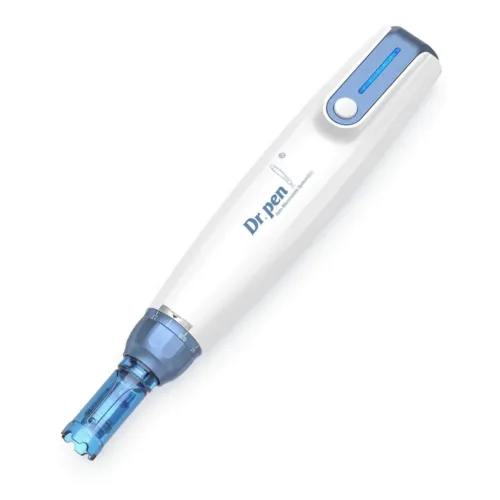
Dr. Pen has become a popular choice for exactly that reason. For users who want home microneedling that feels more controlled, more customizable, and more results-focused, that kind of system aligns better with the goal than generic alternatives.
Who should be cautious or skip it
At-home microneedling is not right for everyone at every moment. If you have active acne breakouts, inflamed skin, infection, eczema flare-ups, rosacea that is easily triggered, or a compromised skin barrier, it is smart to pause. Needling over irritated skin can make the situation worse.
The same goes for people who tend to rush treatments or ignore hygiene steps. Microneedling rewards precision, not impatience. If you are not ready to use it properly, you are better off waiting until you are.
There is also a difference between wanting a treatment and being a good candidate for that treatment right now. Sometimes the best move is first getting the skin calm and stable, then adding microneedling later.
How long does it take to notice results?
Some people notice a healthy glow and smoother feel within days. More structural improvements usually take longer. Collagen remodeling is a process, not a one-night event. For concerns like fine lines, texture, and old post-acne marks, visible improvement often builds over a series of sessions.
That timeline is one reason some users quit too early. They expect immediate transformation, then decide it did not work. In reality, home microneedling tends to reward patience. If your approach is safe, your device is reliable, and your sessions are spaced correctly, progress is often subtle at first and more noticeable over time.
So, do at home microneedling treatments work?
Yes, when they are done correctly, with a quality device, realistic goals, and consistent technique. They work best as a controlled, ongoing skin-rejuvenation method rather than a one-time fix. For texture, mild scarring, early aging, and overall skin refinement, they can deliver meaningful visible improvement.
The real question is not whether at-home microneedling works in theory. It is whether you are using a system designed for safe, precise treatment and giving your skin the kind of routine that lets results build. If you do that, home microneedling can be more than a trend – it can become one of the smartest long-term tools in your skincare routine.