If you are asking how many times should I do microneedling at home, the short answer is this: less often than most people think. More sessions do not automatically mean better skin. In fact, microneedling works best when you give your skin enough time to repair, rebuild, and respond.
That timing matters because microneedling is a controlled injury. The treatment creates tiny channels in the skin that help trigger renewal and improve the absorption of supportive skincare. But collagen remodeling is not instant. If you needle again before your skin has recovered, you can end up with more irritation, longer downtime, and results that are weaker instead of stronger.
How many times should I do microneedling at home?
For most at-home users, every 4 to 6 weeks is the safest and most effective starting point for full-face microneedling. That schedule gives the skin time to move through the healing cycle while keeping treatments consistent enough to support visible improvement.
If you are using very shallow needle depths for product absorption only, some people treat more often. But once you move into depths intended for texture, fine lines, acne scars, or uneven tone, spacing becomes more important. Home microneedling should be approached with the same respect you would give a professional skin treatment.
A good general rule is to match your frequency to your needle depth and your skin’s recovery speed. Sensitive skin usually needs longer between sessions. More resilient skin may tolerate a standard monthly rhythm, but even then, patience tends to produce better long-term outcomes than overuse.
Frequency by needle depth
Needle depth changes everything. It affects how stimulating the treatment is, how much downtime to expect, and how long your skin needs before the next session.
0.2 mm to 0.25 mm
This range is typically used to support topical absorption and give the skin a fresher look. Because it stays very superficial, some users work at this depth every 1 to 2 weeks. Even so, daily or overly frequent use is unnecessary and can leave skin tight, reactive, or inflamed.
0.5 mm
This is often where at-home users begin targeting mild texture concerns and early signs of aging. A treatment every 3 to 4 weeks is usually more appropriate here. The skin needs time to settle, especially if redness lasts more than a day.
0.75 mm to 1.0 mm
At this level, you are entering a more intensive treatment range often used for visible texture issues, acne scar appearance, and more advanced rejuvenation goals. Most people should wait 4 to 6 weeks, and sometimes longer, between sessions. If your skin still feels sensitive, dry, or inflamed, it is too soon.
For many home users, staying conservative with depth and spacing is the smartest route. Professional-looking results come from consistency and skin safety, not aggressive scheduling.
Your skin goal should shape your schedule
There is no single answer that fits everyone because microneedling is used for different concerns.
If your goal is brighter, smoother-looking skin and better serum absorption, a shallow treatment plan may be enough. If your goal is softening the look of acne scars or improving rough texture, your sessions will usually need to be spaced farther apart and continued over several months.
Fine lines and mild firmness concerns often respond well to a steady monthly schedule. Acne scar appearance and deeper textural issues usually require more patience. These concerns do improve, but they rarely change dramatically after one or two sessions. This is where many people get frustrated and start treating too often. That usually backfires.
Pigmentation concerns also require caution. If your skin is prone to post-inflammatory hyperpigmentation, especially in deeper skin tones or sensitive skin types, aggressive frequency can make discoloration worse instead of better. Slower treatment intervals and careful aftercare matter more than pushing for quick results.
What your skin is telling you between sessions
The calendar is useful, but your skin gives the final answer.
You are generally ready for another session when redness has fully resolved, the skin barrier feels normal again, and there is no lingering tenderness, peeling, or unusual sensitivity. Your skin should look calm before you treat it again.
If you are still feeling dry, shiny, hot, itchy, or reactive, wait. If your usual skincare burns after treatment and continues to sting days later, your barrier may still be compromised. Microneedling through irritation is not a sign of commitment. It is a sign to pause.
This is especially true for first-time users. Your first few sessions should be spaced conservatively so you can learn how your skin responds. Some people bounce back quickly. Others need extra recovery time even at moderate depths.
Why doing it more often is not better
Microneedling is one of those treatments where discipline beats intensity. The skin rebuilds itself on its own schedule. If you keep interrupting that process, you increase the risk of inflammation without giving collagen remodeling a proper chance to develop.
Too-frequent treatment can lead to chronic redness, sensitivity, uneven texture, and a damaged moisture barrier. It can also make skincare harder to tolerate, which undercuts one of microneedling’s biggest benefits – improved product absorption.
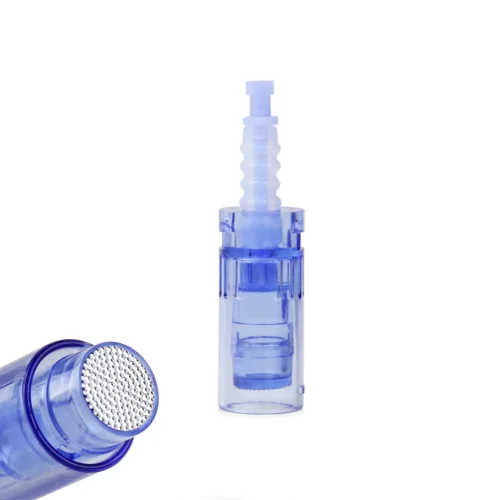
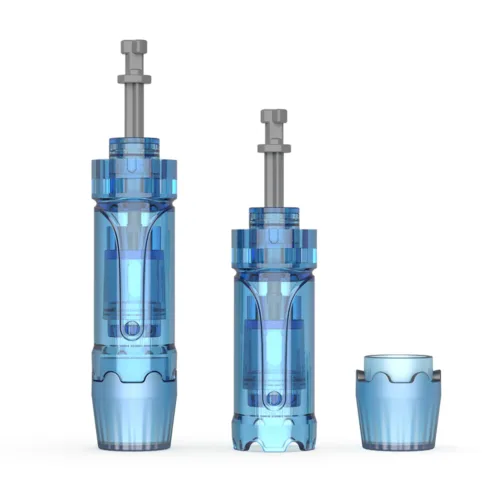
This is why professional-grade home routines prioritize clean technique, adjustable depth, and single-use cartridges over aggressive treatment frequency. A well-designed device gives you control, but good results still come from using that control carefully.
A realistic at-home treatment plan
For most people, a simple plan works best. Start with one session every 4 weeks for 3 treatments, then reassess. That gives you enough time to watch how your skin heals and whether your target concern is improving.
If you are treating mild dullness or focusing on absorption with shallow depth only, you may decide to work a little more often. If you are treating visible texture or scar concerns, monthly sessions are usually a better fit than anything more frequent.
Take progress photos in consistent lighting before each treatment. This is one of the easiest ways to stay objective. Skin improvement can be gradual, and photos often show changes that are easy to miss in the mirror.
Safety matters as much as timing
Frequency is only one part of the equation. The safest schedule can still produce poor results if your technique or aftercare is inconsistent.
Always use a new sterile cartridge for each session. Keep the device and treatment area clean, avoid passing excessively over the same zone, and choose a depth that matches your experience level and treatment area. Delicate areas need a lighter approach than the cheeks or forehead.
After treatment, keep skincare simple and supportive. Hydrating, non-irritating formulas are usually the better choice. Skip harsh acids, retinoids, abrasive scrubs, and anything heavily fragranced until the skin has settled. Sun protection also becomes even more important after microneedling, because freshly treated skin is more vulnerable.
If you are using a professional-style device at home, like those offered by Dr. Pen Official Store, the advantage is precision. Adjustable depth and single-use cartridge systems can help support a more controlled treatment. But even with a high-performance device, proper spacing is still what protects your skin and supports reliable results.
When you should wait longer or skip a session
Sometimes the right answer to how many times should I do microneedling at home is not yet.
Delay treatment if you have active acne breakouts, a rash, sunburn, open skin, irritation around the treatment area, or any infection risk. You should also wait if you recently used strong exfoliants, had another intensive treatment, or feel unsure whether your skin has fully recovered from the last session.
If your skin is highly reactive, if you have a history of keloid scarring, or if you are managing a medical skin condition, it is worth getting individualized guidance before continuing with home treatments.
The best microneedling routine is the one your skin can recover from well. Give it enough time, treat with intention, and let results build the way healthy skin actually works – gradually, safely, and with consistency.