A microneedling session can improve texture, scars, and overall skin renewal – but only if your device stays clean. If you are searching for how to clean microneedling pen tools correctly, the goal is simple: protect your skin, prevent contamination, and keep your device performing the way it should.
Cleaning matters just as much as cartridge choice and needle depth. Any beauty device that comes into contact with skin needs careful handling, and microneedling pens are no exception. A pen that looks clean is not always hygienic, especially around the cartridge connection point, grip area, and outer housing where residue can build up over time.
Why proper cleaning matters
Microneedling creates controlled micro-channels in the skin. That is exactly why sanitation is non-negotiable. If bacteria, dried serum, or skin debris are left on the pen body, you increase the risk of irritation and compromise the clean treatment environment your skin needs.
There is also a performance side to this. Product residue can interfere with how parts fit together, and poor maintenance may shorten the life of the device. A clean pen supports smoother operation, more reliable sessions, and greater confidence every time you use it.
At-home microneedling can deliver professional-looking results, but the standard for device care should stay high. Clinic-quality habits are what help create clinic-style outcomes.
Know what you are actually cleaning
Before you clean anything, separate the pen body from the cartridge in your mind. These are not cleaned the same way.
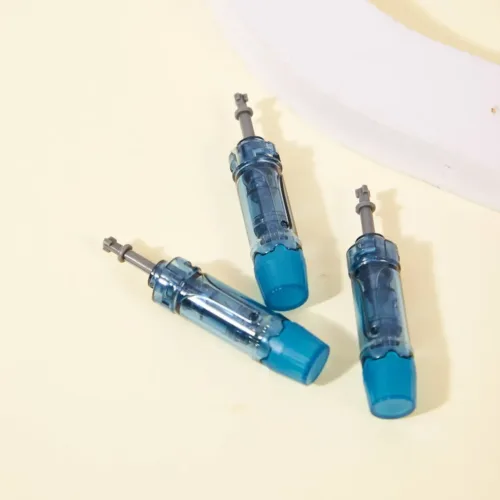
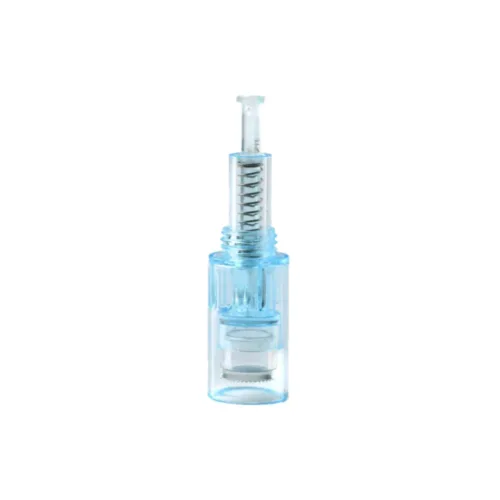
The cartridge is the disposable part that contains the needles. In most cases, it is designed for single use and should not be reused. That means cleaning the cartridge for future sessions is not the objective. Your focus is disinfected, single-use cartridges and a properly cleaned pen exterior after treatment.
The pen body is the reusable device. It should never be submerged in water or soaked in liquid. Most electronic microneedling pens contain internal components that can be damaged by excess moisture. Cleaning is about careful surface disinfection, not rinsing the device under a faucet.
How to clean microneedling pen devices before use
Before each session, start with clean hands and a clean setup area. Wash your hands thoroughly, dry them with a fresh towel or disposable paper towel, and set your device on a sanitized surface. If you are preparing your skin with topical products, keep them separate from the pen while you clean.
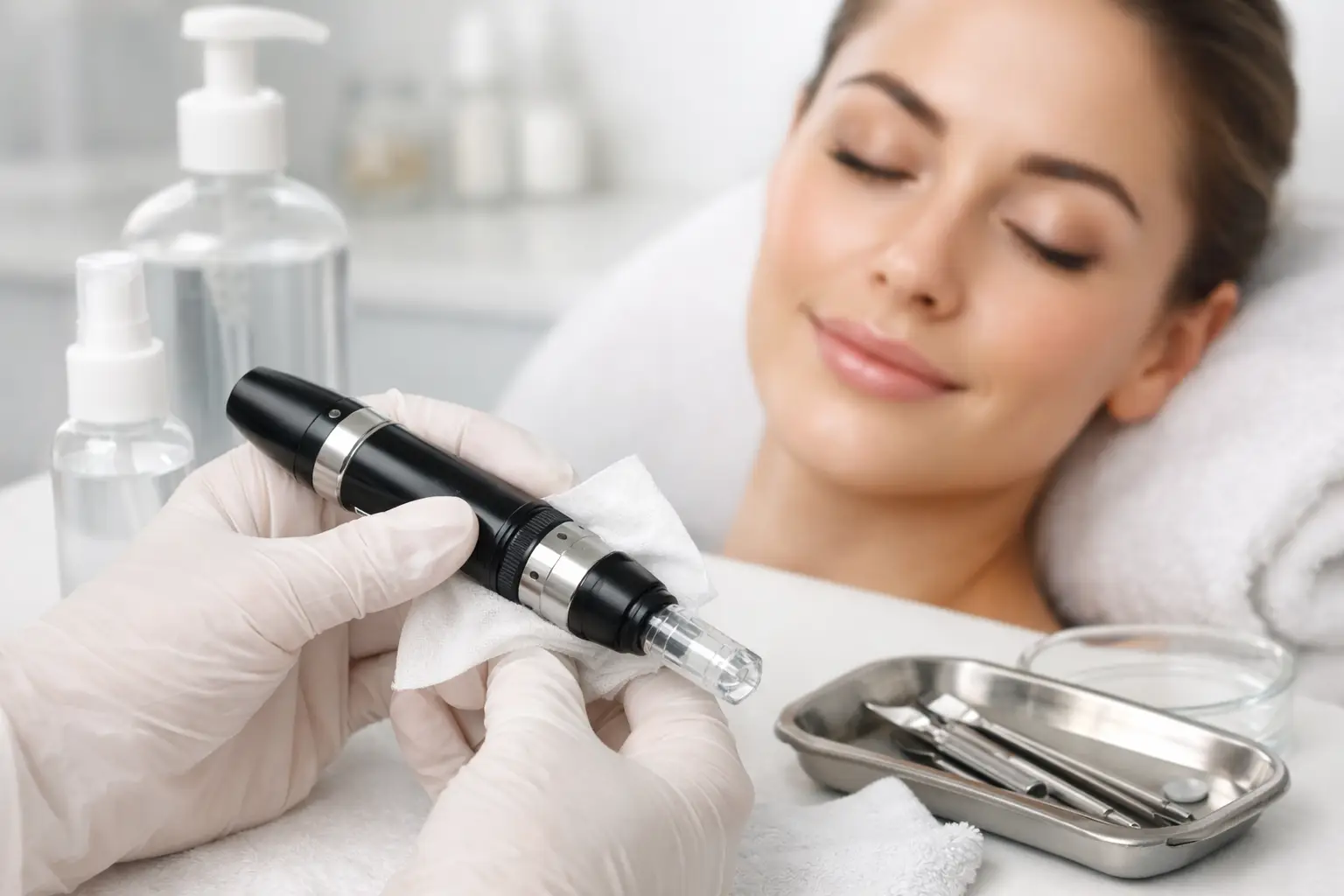
Inspect the pen body first. Look for visible residue near the cartridge opening, on the grip, and around the power controls. If you see buildup, remove it gently with a soft cloth or cotton pad slightly dampened with 70% isopropyl alcohol. The cloth should be damp, not dripping.
Wipe the full exterior of the pen, paying close attention to the front section where the cartridge attaches. Let the surface air dry completely before inserting a new cartridge. This step matters because alcohol needs contact time to do its job, and attaching a cartridge too quickly can trap moisture where it does not belong.
If your model uses a corded power connection, make sure the cable and connector stay dry. If it is a wireless pen, keep liquid away from the charging port. Clean around these areas carefully rather than directly applying fluid.
How to clean microneedling pen tools after use
After your session, remove the cartridge immediately and dispose of it according to local guidelines for sharp items if applicable. Do not leave a used cartridge attached to the device. Even a short delay increases the chance of dried serum, blood spotting, or skin residue collecting around the connection point.
Once the cartridge is removed, inspect the front of the pen again. If there is any visible residue, use a fresh alcohol-dampened cloth or cotton pad to wipe the exterior. Be gentle. Aggressive scrubbing can push debris into seams instead of lifting it away.
Next, wipe the handle and control area. These sections may not touch the skin directly, but they do come into contact with your hands during treatment. That makes them part of the hygiene routine, not an afterthought.
Allow the pen to dry fully before storing it. A clean device placed into a dirty drawer or sealed away while still damp is not really clean. Storage is part of maintenance.
What not to do when cleaning your microneedling pen
This is where mistakes usually happen. People often assume stronger cleaning means better cleaning, but with electronic skincare tools, that is not always true.
Do not submerge the pen in water, alcohol, or disinfectant. Do not run it under a faucet. Do not spray liquid directly into the cartridge port, buttons, or charging area. And do not try to sterilize the motorized pen body in the same way you would sterilize a metal instrument.
It is also best to avoid harsh household cleaners, bleach-based products, or abrasive wipes. These can damage the finish, irritate skin if residue remains, or degrade parts over time.
One more point that matters: do not reuse old cartridges to save money. A microneedling pen is only as safe as the cartridge attached to it. Disposable means disposable.
The best supplies to use
You do not need a complicated setup to clean your device well. In most cases, a few reliable basics are enough: 70% isopropyl alcohol, lint-free soft cloths or cotton pads, clean paper towels, and a dry storage case.
Some users prefer cotton swabs for the cartridge connection area, and that can help if you use a light touch. Just avoid over-saturating the swab. The goal is to lift residue from tight spaces without dripping liquid into the device.
If you use serums during treatment, keep in mind that thicker formulas can leave more residue behind. That does not mean you need stronger cleaners. It means you should wipe the pen promptly after use before anything dries onto the surface.
How often should you clean it?
The short answer is before and after every session. That is the standard if you want consistent hygiene and dependable performance.
A more thorough visual inspection should also happen regularly, especially if you use your pen often. Check the cartridge mount, outer shell, and charging area for signs of buildup or wear. If something looks damaged, cracked, or unusually loose, stop using the device until you confirm it is functioning properly.
For people treating multiple areas in one session, maintaining a clean setup throughout the process matters too. If your hands touch non-sanitized surfaces, pause and clean them before touching the pen again.
Storage matters more than most people think
Once your pen is clean and dry, store it in a protected case or clean container away from humidity, direct sunlight, and bathroom moisture. The bathroom may seem convenient, but it is usually one of the worst places for device storage because heat and moisture can affect both cleanliness and longevity.
Keep replacement cartridges sealed until use. If a cartridge package is opened, damaged, or questionable, do not use it. Safe microneedling depends on clean handling from start to finish.
This is one area where buying authentic, model-compatible components makes a difference. A trusted source such as Dr. Pen Official Store helps remove guesswork around compatibility and cartridge standards, which supports a cleaner and more predictable routine.
When cleaning is not enough
If your pen has visible internal contamination, corrosion, liquid exposure, or malfunctioning controls, surface cleaning may not solve the issue. A device that skips, stalls, overheats, or fails to hold the cartridge securely should not be used on skin.
There is a difference between routine maintenance and trying to rescue a compromised tool. If you suspect damage, replacing the affected part or the device itself is the safer choice. Skin treatments are not the place to gamble on equipment.
A better routine leads to better results
Knowing how to clean microneedling pen devices properly is really about protecting your results. Clean tools support cleaner sessions, calmer recovery, and more confidence in every treatment. It only takes a few minutes, but those minutes help preserve both skin safety and device performance.
The best microneedling routine is not just about what happens during treatment. It is also about the discipline before and after – clean hands, a fresh cartridge, a properly disinfected pen body, and careful storage. When those habits become automatic, better skin care becomes much easier to trust.