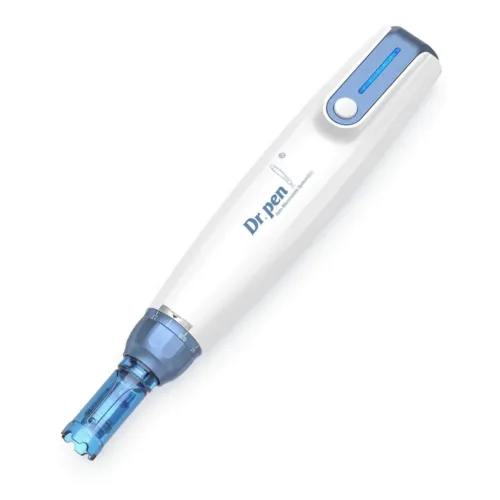
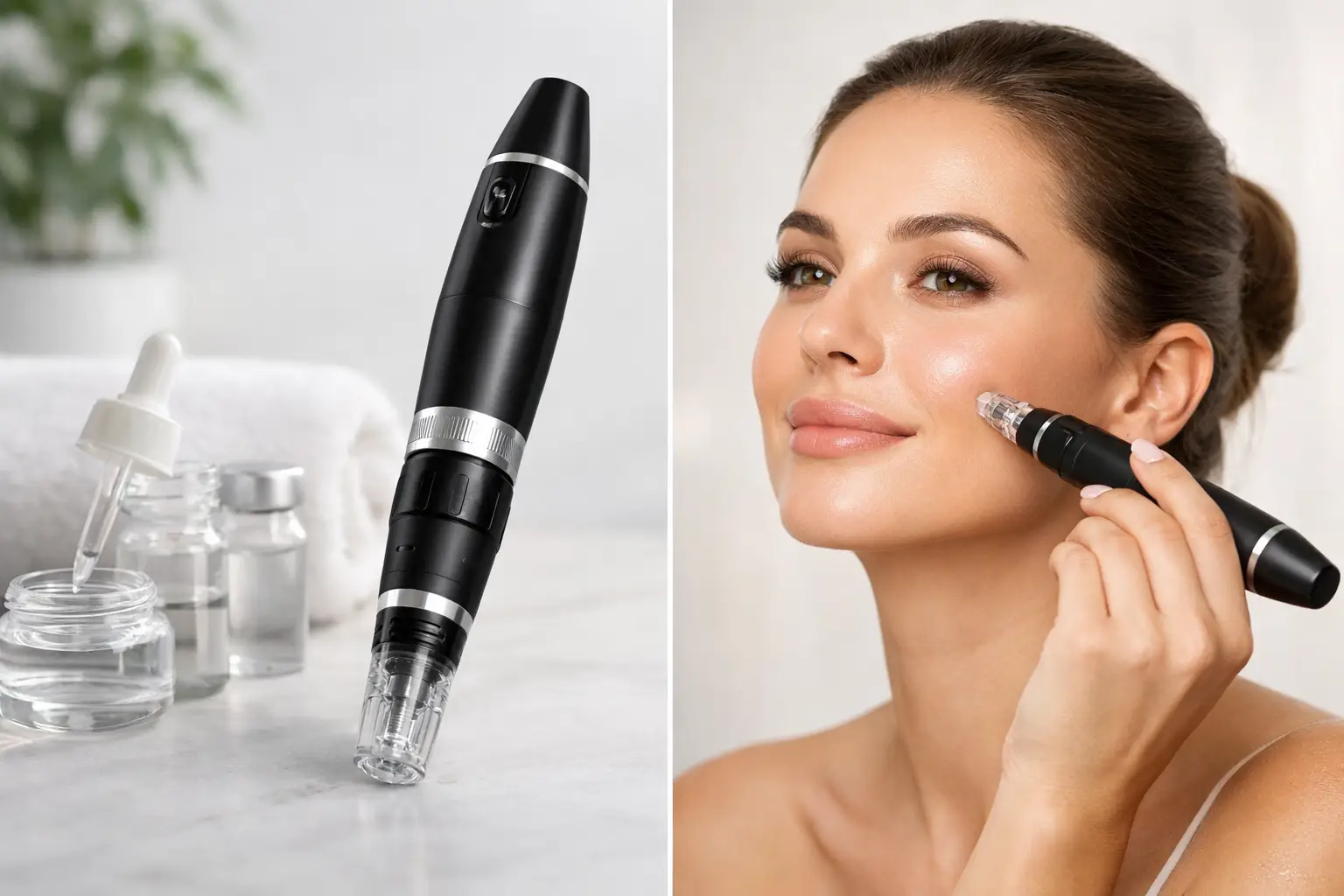
The real question usually is not just is home microneedling worth it. It is whether the results you want match what an at-home device can realistically deliver. If you want smoother texture, softer-looking acne marks, better serum absorption, and gradual visible improvement without booking repeated clinic visits, the answer can be yes. If you expect one treatment to erase deep scars or advanced laxity, the answer is more complicated.
Home microneedling sits in a useful middle ground. It offers more performance than a standard skincare routine, but it is still not the same as an aggressive in-office procedure. That difference matters because it shapes your results, your budget, and your safety.
Is home microneedling worth it for real results?
For many skincare-focused adults, it is worth it because it combines convenience, control, and long-term value. A quality microneedling pen can help support smoother-looking skin, improve the appearance of uneven texture, and make topical products work harder when they are used correctly after treatment. Over time, consistent sessions can also help skin look firmer and more refined.
The strongest case for at-home microneedling is not instant transformation. It is steady improvement. People who see the most value tend to be realistic, consistent, and careful with technique. They understand that collagen remodeling takes time and that visible progress usually builds over a series of treatments, not overnight.
That said, worth depends on your skin goals. Mild to moderate texture concerns, dullness, fine lines, and post-acne marks often respond well to ongoing home use. Deep pitted scars, significant sagging, or severe pigmentation may still require professional treatment for the level of correction you want.
What home microneedling does well
At-home microneedling has become popular for a reason. When performed with a reliable device, adjustable needle depth, and sterile single-use cartridges, it can support meaningful improvement while keeping your routine flexible.
One of the biggest advantages is texture refinement. Skin that feels rough or looks uneven can gradually appear smoother with repeated sessions. Fine lines may also look softer over time, especially when microneedling is paired with a supportive skincare routine focused on hydration and barrier recovery.
Another strong benefit is product absorption. After microneedling, skin is more receptive to carefully chosen topical formulas. This does not mean applying anything and everything. It means using skin-friendly products designed for post-treatment support. When that step is done properly, many users notice that their routine feels more effective.
There is also the cost advantage. In-office microneedling can be effective, but the price of repeated treatments adds up quickly. For someone committed to ongoing skin maintenance, a home device can become far more economical over time.
Where at-home treatments have limits
This is where honest expectations matter. Home microneedling is effective, but it is not a shortcut to every skin goal.
Professional providers can often use deeper settings, stronger complementary protocols, and more advanced assessment of your skin condition. That gives them an edge for more complex concerns. At home, the goal is controlled, consistent treatment, not maximum intensity.
The other limit is user error. A good device helps, but technique still matters. Pressing too hard, choosing the wrong depth, reusing cartridges, or ignoring aftercare can compromise both comfort and results. Home microneedling is worth it when it is done with discipline. It is not worth it when it becomes rushed, random, or overly aggressive.
The safety question matters as much as the result
People often focus on before-and-after potential, but safety is what determines whether home microneedling becomes a smart long-term investment or a frustrating mistake.
A safe setup starts with device quality. You want a pen built for consistent performance, depth control, and cartridge compatibility. Disposable cartridges matter because sterility matters. So does choosing products that are appropriate for freshly treated skin.
Skin prep and aftercare are just as important. Clean skin, clean hands, proper cartridge handling, and a calm recovery routine all support better outcomes. If your skin barrier is already irritated, inflamed, or actively breaking out, that is usually the wrong time to treat.
Certain users should be extra cautious or avoid treatment until they get professional guidance. That includes anyone with active skin infections, uncontrolled rosacea, eczema flares, open wounds, or a history of poor wound healing. Safety is not the boring part of the process. It is the foundation of whether the process works.
Is home microneedling worth it compared to clinic treatments?
If you are comparing home microneedling with clinic appointments, the answer depends on what you value most.
If you want stronger intervention, professional oversight, and a more aggressive treatment plan for advanced concerns, clinic treatment may be worth the higher price. For deep acne scarring or more dramatic resurfacing goals, professional treatment often makes more sense.
If you want convenience, privacy, and a more affordable way to maintain skin quality over time, home microneedling can be the better fit. Many users are not trying to replace every professional treatment. They are trying to reduce how often they need one, or maintain progress between appointments.
This is why the best comparison is not home versus clinic as if one must win. It is about matching the tool to the goal. Home microneedling is often worth it for maintenance, gradual correction, and routine skin rejuvenation. Clinics still have the advantage for more intensive correction.
Who gets the most value from home microneedling?
The people who tend to feel best about the investment usually share a few traits. They are consistent, patient, and motivated by visible but gradual improvement. They want more than a basic skincare routine can offer, but they also want control over timing and cost.
Home microneedling tends to be a strong fit for adults dealing with early signs of aging, lingering post-acne marks, rough texture, and mild uneven tone. It also appeals to people who already invest in skincare and want a device that adds measurable performance to that routine.
It may be less worth it if you know you are unlikely to follow instructions, replace cartridges regularly, or stick to a schedule. Results come from repeat treatments over time. If the device ends up in a drawer after two uses, the value disappears fast.
What makes a device worth buying
Not all at-home microneedling tools offer the same experience. If you are deciding whether home microneedling is worth it, the quality of the device changes the answer.
Look for adjustable needle depth, stable motor performance, and hygienic disposable cartridges. Those features support better precision and safer treatment. Comfort matters too, especially if you plan to use the device consistently over months rather than once or twice.
Support also matters more than many people expect. Clear guidance on cartridge selection, use by treatment area, and routine maintenance can make the difference between confidence and guesswork. That is one reason many shoppers prefer buying from a specialized source such as Dr. Pen Official Store rather than treating the device like a generic beauty gadget.
The hidden value is consistency
One of the most overlooked benefits of home microneedling is access. You do not need to schedule around a clinic, rearrange your week, or justify the cost of every single session. That lower barrier often leads to better consistency, and consistency is what drives visible change.
A treatment that is slightly less aggressive but actually gets done regularly can outperform a stronger treatment that happens too rarely. For many people, that is the real value equation.
There is also a confidence factor. When you understand your device, know your settings, and build a routine around your skin goals, you stop feeling dependent on occasional appointments. You become more active in your own skin maintenance, which is a big reason at-home devices continue to grow in popularity.
So, is home microneedling worth it?
Yes, if you want professional-style skin rejuvenation at home, are willing to use the right device properly, and expect progress instead of miracles. No, if you want instant correction for advanced concerns or are not prepared to take hygiene, technique, and aftercare seriously.
The best results usually come from a simple mindset. Choose a quality device. Stay consistent. Respect your skin. Give collagen time to do its work. When you approach it that way, home microneedling can be one of the most worthwhile upgrades in a results-focused skincare routine.
Your skin does not need perfection to look better. It needs the kind of steady, well-supported treatment you will actually keep using.