Fine lines usually show up in the same frustrating way – a little creasing around the eyes, faint lines above the lip, or a texture change that makeup suddenly starts highlighting instead of hiding. That is exactly why microneedling for fine lines at home has become such a popular option. It gives skincare-focused users a way to support smoother, firmer-looking skin without scheduling repeated clinic appointments.
Used correctly, at-home microneedling can help improve the look of early visible aging by encouraging the skin’s natural renewal process. It is not magic, and it is not a one-night fix. But for people who want professional-style results, more control over their routine, and a practical alternative to in-office treatments, it can be a smart addition to an anti-aging plan.
How microneedling helps fine lines
Fine lines tend to form when collagen production slows, skin loses some of its resilience, and repeated facial movement starts leaving a visible trace. Sun exposure, dehydration, and a weakened skin barrier can make those lines look more pronounced.
Microneedling works by creating controlled micro-channels in the skin. That process supports natural skin renewal and can help improve the appearance of texture, elasticity, and superficial lines over time. Another benefit is improved absorption of topical skincare applied after treatment, which is one reason many users notice their hydrating and soothing products seem to work more efficiently in a well-planned routine.
The key phrase is over time. Fine lines usually respond best to consistent sessions, proper needle depth, and realistic expectations. If your concern is very mild creasing, results may come faster. If lines are deeper or combined with sun damage and laxity, improvement often takes more patience.
Is microneedling for fine lines at home effective?
For the right candidate, yes. At-home microneedling is often effective for early to moderate visible signs of aging, especially when the goal is to improve skin texture and soften the look of fine lines rather than erase deep wrinkles completely.
What matters most is the quality of the device, the ability to control depth, and how carefully the treatment is performed. A professional-style microneedling pen gives more precision than low-cost rollers, especially on delicate areas where fine lines tend to appear first. Adjustable depth also matters because the skin around the forehead is different from the skin near the cheeks, and the area around the eyes requires a more careful approach.
That said, more aggressive treatment is not automatically better. Going too deep at home can increase irritation, prolong downtime, and compromise skin safety. Controlled, consistent sessions usually outperform overly intense treatments that leave the skin inflamed.
Where fine lines respond best
Some areas tend to show visible improvement sooner than others. Fine lines on the forehead, cheeks, and around the mouth often respond well when microneedling is paired with a supportive skincare routine. Crow’s feet and delicate under-eye texture may also improve, but these areas require extra caution because the skin is thinner and more reactive.
Lines caused mostly by dehydration can appear softer fairly quickly once the skin is better hydrated and products absorb more effectively after treatment. Expression lines and more established wrinkles are different. Microneedling can help improve their appearance, but they may not disappear fully, especially without long-term consistency.
What you need before you start
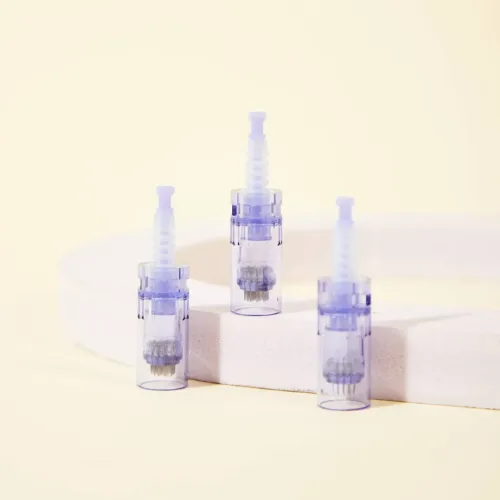
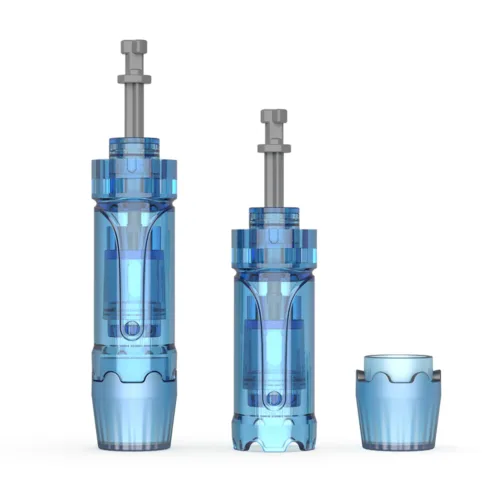
The safest at-home setup is simple and disciplined. You need an authentic microneedling pen with adjustable needle depth, a new sterile single-use cartridge for every session, clean skin, and appropriate post-treatment products that focus on hydration and barrier support.
This is not the time for guesswork or improvised tools. Device quality and cartridge hygiene matter because they directly affect skin safety and treatment consistency. A reliable system gives you better control, which is especially important when treating fine lines on areas with thinner skin.
Your skin should also be in reasonably calm condition before treatment. If you are dealing with active breakouts, irritation, sunburn, eczema flare-ups, or a compromised barrier, it is better to wait. Microneedling works best on skin that is healthy enough to recover well.
How to do microneedling for fine lines at home safely
Start with thoroughly cleansed skin and a fully sanitized treatment setup. Use a fresh cartridge and follow your device instructions carefully. For fine lines, conservative depth is usually the better starting point, especially for beginners and for delicate facial zones.
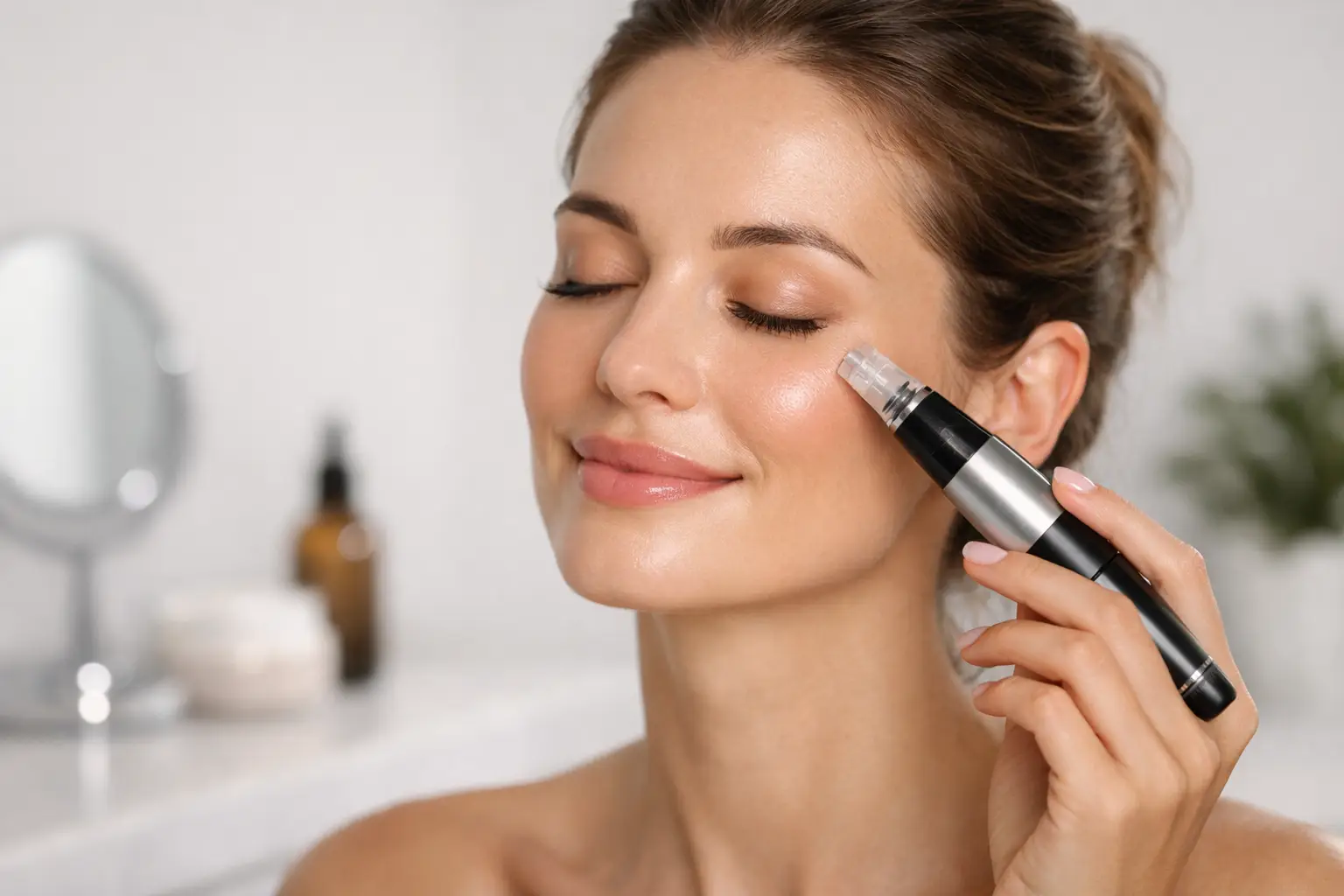
Work in small sections and move the pen evenly without dragging. The goal is controlled coverage, not excessive pressure. Skin may appear pink or mildly flushed during and after treatment, which is normal for many users. Significant trauma, heavy bleeding, or prolonged irritation are signs that the approach is too aggressive.
After the session, keep skincare simple. Focus on soothing, hydrating formulas that support recovery. Avoid strong acids, retinoids, and other potentially irritating actives immediately after treatment unless your protocol specifically allows for them and your skin tolerates them well.
Sun protection is non-negotiable in the days that follow. Freshly treated skin is more vulnerable to UV exposure, and skipping SPF can undermine results by contributing to the very signs of aging you are trying to improve.
How often should you microneedle for fine lines?
Frequency depends on needle depth, skin sensitivity, and your overall routine. In general, fine lines respond well to a schedule that allows the skin enough time to recover between sessions. More frequent is not always more effective.
If you are using a conservative at-home protocol, spacing sessions out properly helps the skin complete its renewal process while reducing the chance of irritation. Many users make better progress with steady, moderate treatment than with rushed sessions that do not respect recovery time.
This is one of the biggest trade-offs in at-home treatment. You gain convenience, lower long-term cost, and control over your schedule, but you need discipline. Results are cumulative. Skipping around between inconsistent sessions and overly harsh treatment usually leads to disappointment.
What results to expect
The first changes are often about texture. Skin can start to feel smoother and look a little fresher once post-treatment recovery is complete. Fine lines may begin to look softer after several sessions, especially when dehydration and rough texture are part of the issue.
More visible improvement usually takes time. Collagen renewal is gradual, so the best results tend to appear after a series of treatments rather than after one session. Good lighting, close-up mirrors, and high expectations can make progress hard to judge, which is why consistent photos are helpful.
You should also expect some variation. Age, lifestyle, sun history, skincare habits, and baseline skin quality all affect the outcome. Someone in their early 30s with faint forehead lines may notice change faster than someone treating long-standing lines with significant photodamage.
Common mistakes that slow progress
One common mistake is treating too aggressively because the user wants faster results. Another is using poor-quality tools or reusing cartridges, which can compromise both performance and hygiene. A third is ignoring aftercare and applying strong active ingredients too soon.
There is also the issue of mismatched expectations. Microneedling can improve the look of fine lines, but it does not replace every in-office procedure and it does not freeze facial movement. Its strength is gradual skin rejuvenation – smoother texture, better product absorption, and firmer-looking skin with consistent use.
For users who want clinic-quality skin, without the clinic price, the best mindset is to treat microneedling as part of a bigger skin strategy. Daily SPF, hydration, and barrier support still matter. The device does important work, but the rest of the routine determines how well your skin maintains those gains.
Who should be cautious
At-home microneedling is not ideal for everyone. If you have active skin infections, inflamed acne in the treatment area, rosacea flare-ups, open wounds, or a history of poor wound healing, extra caution is necessary. Very sensitive skin may also require a slower approach or a different treatment choice altogether.
If your fine lines sit alongside significant redness or chronic irritation, calm the skin first. Stronger treatment on already stressed skin rarely produces better results. Precision and skin safety should always lead the decision.
For shoppers comparing options, this is where device design makes a real difference. A pen with stable performance, adjustable depth, and hygienic disposable cartridges offers a more controlled experience than one-size-fits-all tools. That control is a major reason many users choose a specialized system like Dr. Pen when they want dependable at-home results.
Fine lines rarely need a dramatic solution. They need a smart one – consistent, measured, and built around skin health. When you approach microneedling with the right device, careful technique, and realistic expectations, small changes can become the kind of visible progress that keeps paying off every time you look in the mirror.