Hyperpigmentation rarely looks the same in every light. It can seem faded in the morning, then suddenly more obvious under bathroom LEDs or direct sun. That is exactly why microneedling for hyperpigmentation at home gets so much attention – people want a treatment that goes beyond covering dark spots and actually supports clearer, more even-looking skin over time.
The appeal makes sense. Microneedling is one of the few at-home treatments that targets texture and tone at the same time. When used correctly, it can help encourage skin renewal, improve the look of post-acne marks, and support better absorption of topical skincare. But the keyword is correctly. Pigmentation can improve with microneedling, and it can also get worse if you needle too aggressively, use the wrong depth, or ignore sun protection afterward.
How microneedling for hyperpigmentation at home works
Microneedling creates controlled micro-channels in the skin. Those tiny punctures trigger the skin’s repair response, which can support smoother texture and a more refined appearance over a series of sessions. For hyperpigmentation, the goal is not to scrub pigment away. It is to help skin turn over more evenly while creating a better environment for brightening and barrier-supporting products.
This matters because hyperpigmentation has different causes. Post-inflammatory hyperpigmentation from acne or irritation often responds differently than melasma, which is more complex and easily triggered by heat, hormones, and inflammation. Sunspots can also behave differently from fresh acne marks. That is why results vary from person to person, even when the device and routine are the same.
If your discoloration is mostly leftover acne marks or uneven tone from past breakouts, at-home microneedling may be a reasonable option when approached conservatively. If you suspect melasma, more caution is needed. Melasma-prone skin can react badly to too much stimulation, and aggressive needling may lead to rebound pigmentation instead of improvement.
Who should be cautious before trying microneedling for hyperpigmentation at home
At-home microneedling is not a fit for every skin situation. If you have active acne, inflamed rosacea, eczema flare-ups, open wounds, infections, or a history of keloid scarring, you should pause and address those issues first. Skin that is already irritated tends to respond unpredictably.
Pigment-prone skin also deserves a slower approach. Deeper skin tones can absolutely benefit from microneedling, but they are also more vulnerable to post-inflammatory hyperpigmentation if the skin is overtreated. In practical terms, that means lighter pressure, conservative needle depth, strict hygiene, and enough recovery time between sessions matter more than chasing fast results.
If you are using prescription retinoids, strong exfoliating acids, or pigment-focused actives that already make your skin reactive, your timing matters. Microneedling on top of a compromised barrier is not a shortcut. It is usually a setup for redness, irritation, and uneven healing.
What actually helps results
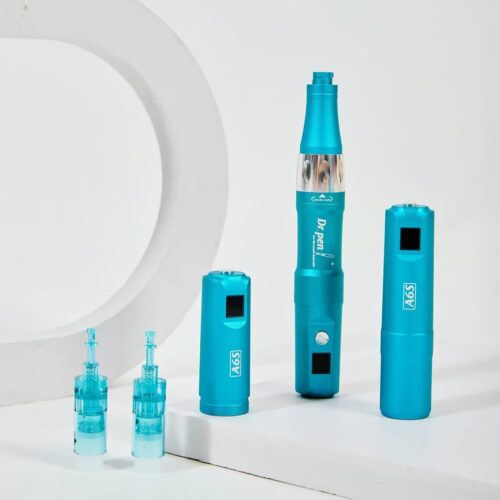
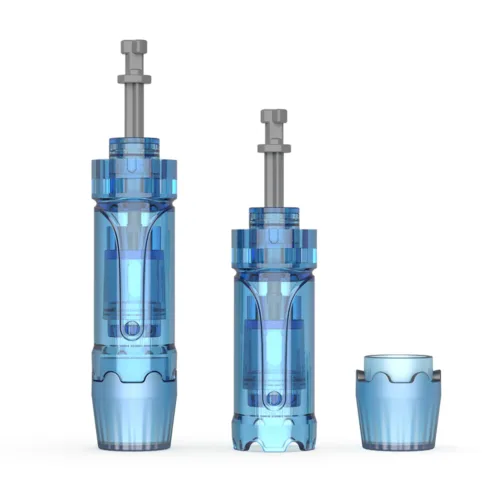
For pigmentation concerns, consistency usually beats intensity. A professional-style device with adjustable depth and single-use cartridges gives you more control than a one-size-fits-all roller, especially when your skin goals involve visible tone correction rather than just basic product absorption.
The sweet spot for many at-home users is a shallow, measured treatment plan. You are not trying to create dramatic trauma. You are trying to support gradual skin renewal while keeping inflammation low. That is a big distinction, because inflammation is one of the main reasons dark marks linger in the first place.
Clean technique also affects outcomes more than many people realize. A disinfected cartridge, freshly cleansed skin, and calm post-treatment care are not minor details. They are part of what helps skin recover evenly. Brands that focus on authentic devices, precise depth adjustment, and disposable cartridges are usually a better match for this category because safety and consistency are doing part of the work.
A realistic at-home approach
Start with clean, dry skin and a new sterile cartridge. Keep your needle depth conservative, especially if your main concern is uneven pigmentation rather than acne scarring. For many home users, less is more. You want a mild treatment response, not significant redness that lasts for days.
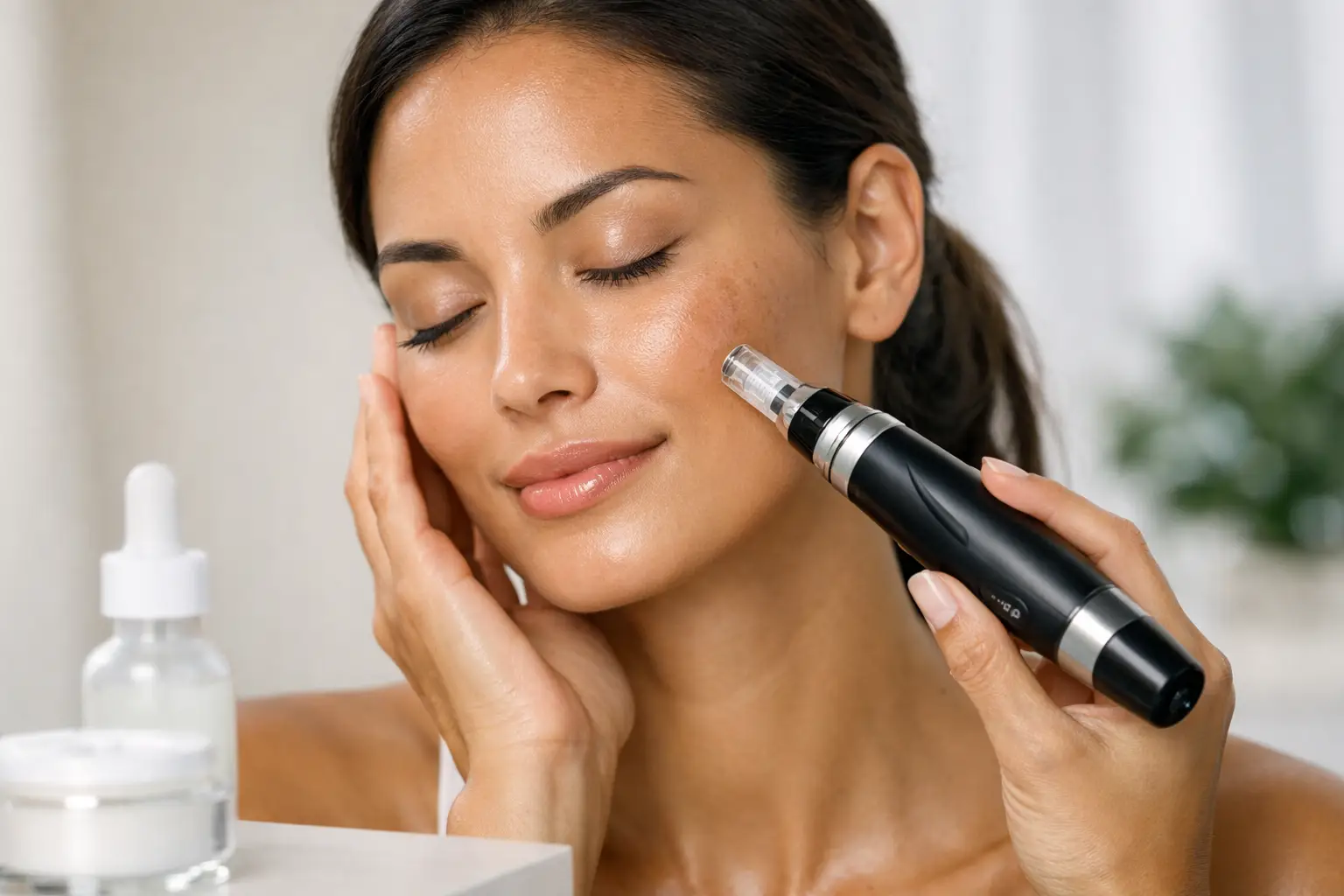
Work in small sections and use even passes without dragging or pressing too hard. Avoid stacking multiple aggressive passes over the darkest areas. That can be tempting, but it often backfires. Pigmented skin does not need punishment. It needs controlled stimulation and a stable healing environment.
After treatment, keep the routine simple. Focus on hydration and barrier support. A plain hydrating serum can make sense, but this is not the time for strong acids, harsh brightening blends, or heavily fragranced products. Skin is more vulnerable right after needling, so gentle formulas are usually the safer choice.
The next step is the one people underestimate most: sun protection. If you are treating hyperpigmentation and not taking UV exposure seriously, you are working against yourself. Daily broad-spectrum sunscreen is essential, and reapplication matters if you are outside, near windows, or driving often. Even a well-executed treatment plan can stall if UV exposure keeps retriggering pigment.
What to avoid if you do not want dark spots to get worse
The biggest mistake is treating too deep, too often. More depth does not automatically mean better pigment correction. In many cases, it just raises inflammation and extends downtime. Another common mistake is combining microneedling with too many actives too soon before or after treatment.
Avoid using exfoliating acids, retinoids, benzoyl peroxide, or strong vitamin C immediately around your session unless you know your skin tolerates that schedule and have built up carefully. For beginners, a simpler recovery window is usually smarter. Also avoid treating over irritated breakouts, freshly picked skin, or areas that feel hot and reactive.
One more issue is device quality. Inconsistent needle performance can lead to uneven results and unnecessary trauma. If your goal is clinic-quality skin at home, the tool should support precision, not guesswork.
When to expect changes
Pigmentation improvement is usually gradual. You may notice brighter-looking skin and smoother texture first, while dark marks fade more slowly over a series of treatments. That is normal. Hyperpigmentation sits at different depths and forms for different reasons, so visible change often happens in stages.
A reasonable expectation is progressive improvement, not overnight clearing. If your marks are newer post-acne spots, they may respond faster than long-standing discoloration. Melasma may improve only modestly, and in some cases it is better managed with a broader pigment strategy rather than relying heavily on needling alone.
Patience matters here because overcorrecting out of frustration usually delays progress. Skin responds better to a calm, repeatable routine than to aggressive sessions done too close together.
Pairing microneedling with the right skincare
Microneedling can support better penetration of skincare, but that does not mean every active belongs in your post-treatment routine. For hyperpigmentation, the smartest pairings are usually gentle hydrators, barrier-repair ingredients, and pigment-supportive products used in the days between sessions rather than immediately after.
Think of microneedling as one part of the system. The other parts are inflammation control, barrier health, and UV defense. If any of those pieces are weak, your pigment results may plateau. That is why experienced users often get better outcomes not because they use stronger settings, but because they are better at recovery and routine discipline.
For shoppers building an at-home regimen, this is where a professional-grade pen with adjustable settings becomes valuable. It allows a more customized treatment based on area, skin tolerance, and experience level instead of forcing the same intensity everywhere. That kind of control supports more reliable progress and fewer setbacks.
Is it worth trying?
For the right person, yes. Microneedling for hyperpigmentation at home can be a worthwhile option if your discoloration is mild to moderate, your skin barrier is healthy, and you are willing to treat it like a real protocol rather than a quick beauty hack. It is especially compelling for people who want visible skin improvement without the cost and scheduling of frequent in-office treatments.
Still, this is not a one-session fix, and it is not a treatment to improvise. Hyperpigmentation responds best when you respect the skin’s threshold. Better technique, better hygiene, and better aftercare usually matter more than doing more.
If you approach it with realistic expectations and a safety-first routine, at-home microneedling can become a strong part of a results-focused pigmentation plan. The goal is not perfect skin by next week. It is clearer, steadier progress that keeps moving in the right direction.