A good microneedling pen can change more than your skincare routine. It can change how quickly you see progress when your main concerns are acne scars, fine lines, uneven texture, or dull-looking skin that never seems to respond quite enough to creams alone.
That is the appeal. A microneedling pen gives you a controlled, targeted way to support skin renewal at home with more precision than a manual roller and more flexibility than a one-size-fits-all treatment. But better technology only helps when the device is used correctly, with the right cartridge, the right needle depth, and realistic expectations about results.
What a microneedling pen actually does
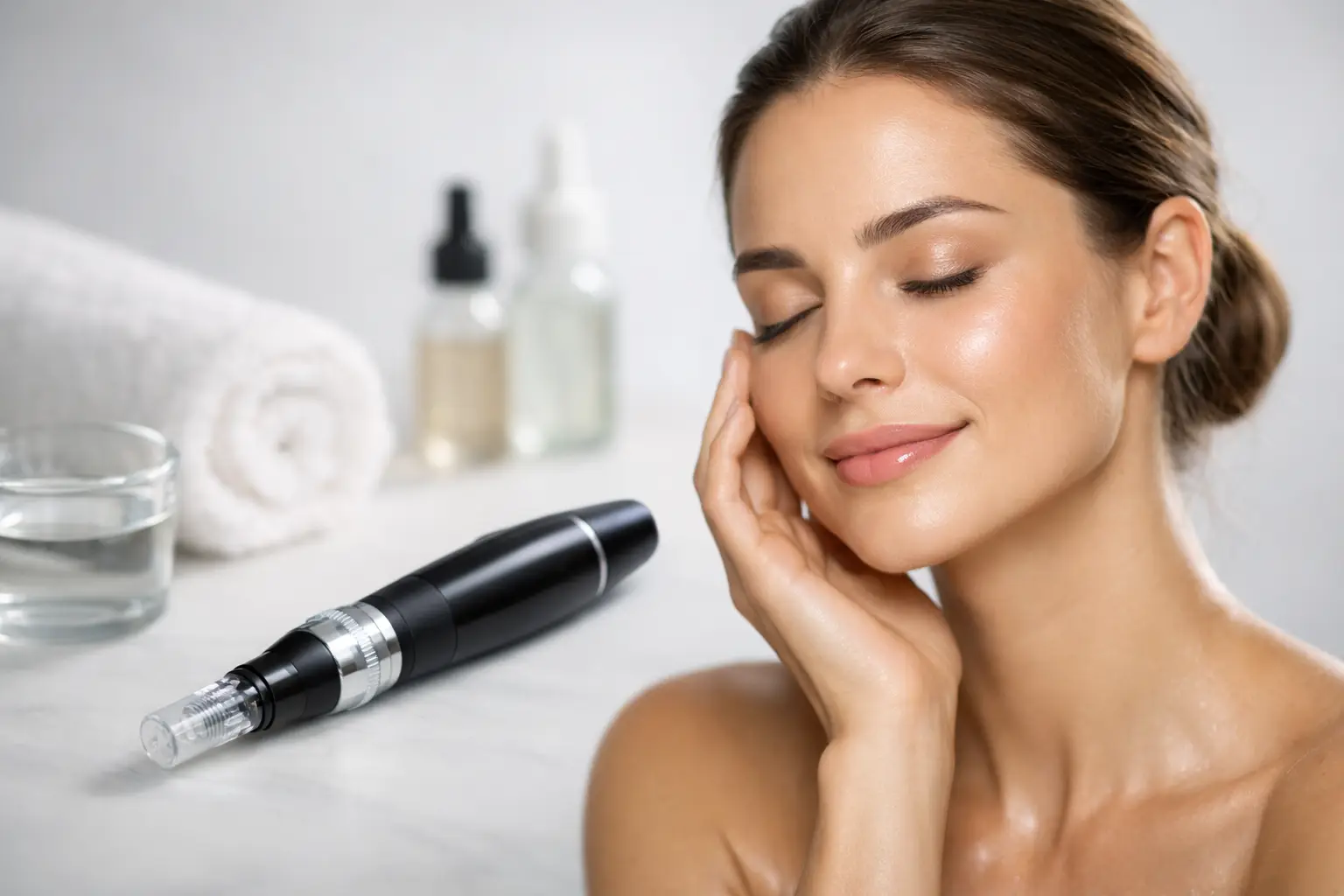
A microneedling pen uses disposable needle cartridges to create very small, controlled channels in the skin. These micro-injuries trigger the skin’s natural repair response, which can help improve the look of texture, post-acne marks, enlarged pores, and early signs of aging over time.
The other major benefit is absorption. When treatment is done properly, the skin can become more receptive to compatible topical products applied afterward. That is one reason microneedling is often paired with hydrating serums designed to support recovery rather than irritate the skin.
Compared with older tools, a pen-style device offers more consistency. The vertical motion is cleaner and more precise than dragging needles across the skin. That matters, especially on areas where control is everything, such as around the nose, forehead, or upper lip.
Why so many people choose a microneedling pen over a roller
The biggest difference is precision. A roller moves in an arc, which can create more uneven needle entry and less control over pressure. A microneedling pen stamps more directly into the skin, which tends to feel more controlled and easier to customize by area.
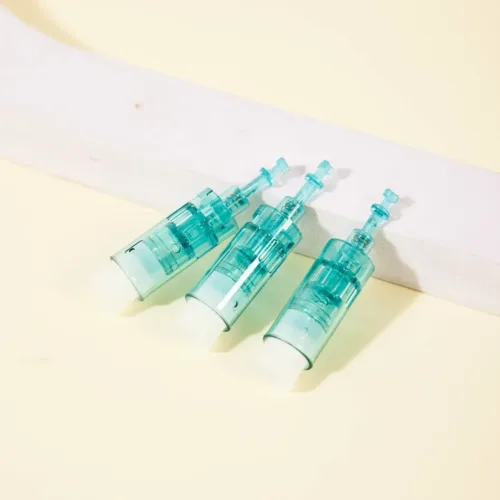
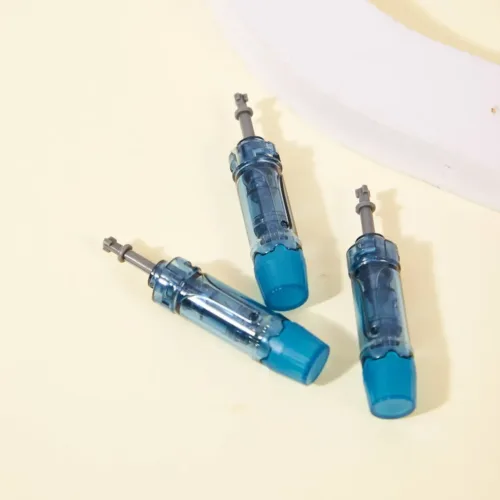
There is also the question of hygiene and replacement. Pen systems are built around single-use cartridges, which supports a cleaner treatment process when you are following proper prep and disposal practices. For people serious about safe at-home treatments, that is not a small detail.
Then there is versatility. Different cartridge options and adjustable needle depth make it easier to tailor treatment to the face, specific skin concerns, and different tolerance levels. Someone focused on mild texture maintenance will not necessarily use the same setup as someone working gradually on visible acne scarring.
Who benefits most from microneedling
Microneedling can be a strong fit for adults who want visible improvement without committing to frequent office visits. It is especially popular with people trying to soften fine lines, improve uneven texture, reduce the appearance of acne scars, and support firmer-looking skin.
It can also be useful for people who feel like their skincare has plateaued. If you already use quality serums and still want more from your routine, a device-based approach may help move things forward.
That said, not every concern responds the same way, and not every person is a candidate all the time. Active acne flare-ups, irritated skin, open wounds, sunburn, and certain skin conditions are reasons to pause. If your skin barrier is compromised, treatment should wait until the skin is calm again.
What results to expect, and when
This is where expectations matter. A microneedling pen can deliver impressive improvement, but not overnight. Many users notice that skin looks fresher and smoother after early sessions, especially in terms of glow and product absorption. More stubborn concerns, like acne scars or deeper lines, usually require a series of treatments.
Results depend on several variables: needle depth, treatment frequency, skin condition, aftercare, and consistency. Deeper is not always better. More frequent is not always better either. Skin improves when it has enough stimulation to trigger renewal and enough recovery time to repair well.
For most people, the first visible changes are refinement and softness. Scar remodeling and tone correction typically take longer. That slower timeline is normal and often produces more natural-looking improvement.
Choosing the right microneedling pen
If you are comparing devices, focus on control, cartridge compatibility, and authenticity before anything else. A quality microneedling pen should offer adjustable needle depth, steady power, and reliable cartridge fit. Those are the features that help create a safer, more consistent treatment.
Ease of handling matters too. A lightweight, ergonomic pen is easier to guide across small facial zones and easier to keep steady during treatment. That can make a real difference for first-time users who want confidence, not guesswork.
Cartridge design is just as important as the device body. Single-use, properly sealed cartridges help support hygiene and treatment performance. A broad cartridge range is also useful because different areas and concerns may call for different needle configurations.
This is one reason shoppers often compare multiple Dr. Pen models rather than assuming every pen performs the same way. Device families can differ in speed, shape, user feel, and treatment flexibility, so the right choice depends on your skin goals and experience level.
Safety matters more than intensity
The best at-home outcomes usually come from a disciplined approach, not an aggressive one. Skin should be clean before treatment, cartridges should always be fresh and single-use, and the device should be used on appropriate settings for the area being treated.
Trying to force faster results with excessive depth or repeated passes is where people often get into trouble. Redness and sensitivity can be normal short-term responses, but prolonged irritation is a sign that treatment may have been too strong or aftercare was not supportive enough.
A good rule is simple: respect the skin barrier. Controlled treatment plus calm recovery tends to outperform harsh treatment followed by inflammation.
How aftercare affects your outcome
Aftercare is not the boring part. It is part of the treatment. Once the skin has been microneedled, what you put on it and what you avoid can influence both comfort and results.
Hydrating, non-irritating formulas are generally the priority after treatment. Skin often responds best to simple support rather than a crowded routine. Strong acids, retinoids, fragranced products, and unnecessary actives are usually better left aside until the skin has settled.
Sun protection also becomes even more important. Freshly treated skin can be more vulnerable, and protecting it helps preserve the progress you are trying to create.
Common mistakes first-time users make
One of the most common mistakes is treating too often. More sessions do not automatically mean better skin. Recovery is where a large part of the benefit happens.
Another is choosing a device based only on price. If the pen lacks dependable performance, proper cartridge support, or clear usage guidance, the lower upfront cost can quickly stop looking like value.
People also underestimate technique. A microneedling pen is straightforward to use, but it still rewards patience. Working in controlled sections, keeping pressure even, and staying within sensible settings gives better long-term results than rushing through a session.
Is at-home microneedling worth it?
For many people, yes. A well-made pen offers a practical middle ground between basic skincare and repeated clinic appointments. It can make advanced skin rejuvenation more accessible, more consistent, and easier to maintain on your own schedule.
The trade-off is responsibility. At-home treatment gives you convenience and control, but it also requires attention to hygiene, timing, and device quality. If you want clinic-quality skin without the clinic price, the tool alone is not the answer. The answer is the tool plus the right habits.
That is why the best microneedling pen is not simply the most powerful one. It is the one that gives you precise control, supports safe treatment, and fits the way you actually plan to use it.
If you are thinking about starting, start with a device you trust, a treatment plan you can follow consistently, and the patience to let your skin improve the right way. Good microneedling is not about doing the most. It is about doing enough, doing it safely, and giving your skin every chance to respond well.