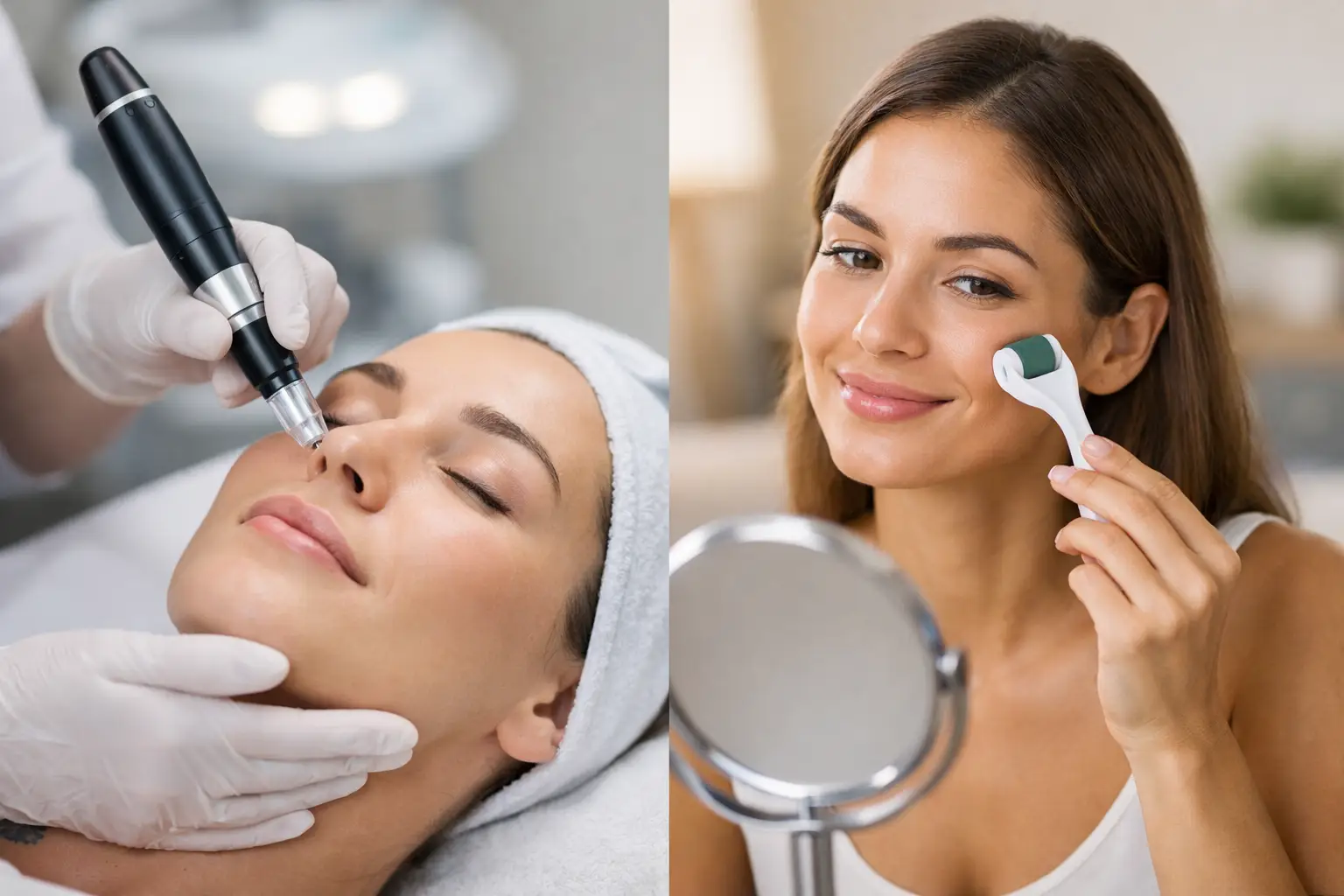
If you have ever priced a full series of clinic sessions and then looked at the mirror thinking, I need results but not that invoice, this is where the real comparison starts. Professional microneedling vs home is not just a budget question. It is a question of depth, consistency, safety, convenience, and what kind of skin change you are actually trying to achieve.
Microneedling works by creating controlled micro-injuries in the skin, which helps stimulate the skin’s natural repair response. That process can support smoother texture, softer-looking scars, refined pores, better-looking tone, and improved absorption of topical skincare. But the phrase microneedling covers two very different experiences: an in-clinic treatment performed by a trained provider and an at-home routine done with a consumer device.
Professional microneedling vs home: what really changes?
The biggest difference is intensity. In a professional setting, treatments are typically performed at greater needle depths and with a more customized approach based on the treatment area and skin concern. That matters when the goal is deeper acne scar revision, more visible collagen stimulation, or addressing stubborn textural issues.
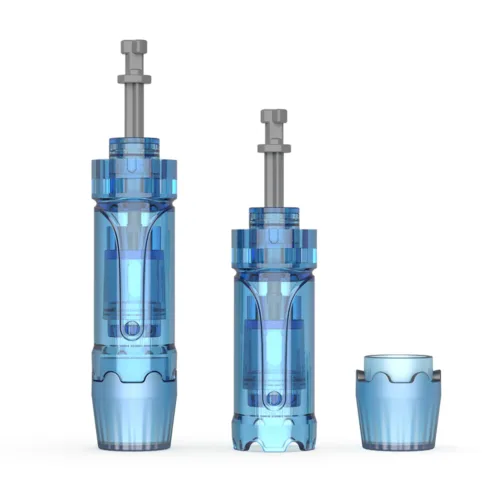
At home, the focus shifts from maximum intensity to controlled, repeatable maintenance. A quality microneedling pen with adjustable depth gives users more precision than older roller-style tools, but home treatments still need to stay within a safer range. That makes at-home microneedling better suited for ongoing skin rejuvenation, mild texture concerns, product absorption, and gradual improvement over time.
This is why the answer is rarely that one method is simply better. It depends on your skin, your goals, your experience level, and how much downtime and cost you are willing to accept.
When professional microneedling has the advantage
Professional microneedling generally wins when your skin concern is deeper, more resistant, or more complex. If you are dealing with pitted acne scars, advanced signs of aging, or a level of uneven texture that has not responded to topical skincare, a clinic treatment usually has more power behind it.
A trained provider can assess different areas of the face separately, because the forehead, cheeks, and around the mouth do not always need the same settings. They can also work within protocols designed to reduce unnecessary trauma while still targeting meaningful change. That level of customization is hard to match at home, especially for new users.
There is also the benefit of oversight. If your skin is reactive, if you have post-inflammatory hyperpigmentation concerns, or if you are unsure whether your barrier is strong enough for treatment, professional guidance adds a layer of protection. For some people, that reassurance alone is worth the higher cost.
The trade-off is obvious. Professional microneedling is more expensive, less convenient, and often tied to appointment schedules, recovery windows, and package pricing. For people who want regular upkeep, those visits can become difficult to maintain.
Where at-home microneedling makes sense
Home microneedling has become much more appealing because consumers want more control over their routines. They want clinic-inspired skin support without arranging their month around appointments. For the right person, that makes a lot of sense.
An at-home microneedling pen is often the better fit when your goal is maintenance rather than intensive correction. Fine lines, dullness, mild texture, uneven-looking tone, and supporting serum absorption are all areas where steady at-home use can be valuable. Results tend to build more gradually, but convenience changes the equation. It is easier to stay consistent when the treatment is part of your own schedule.
Cost is another major factor. The upfront investment in a quality device and replacement cartridges is usually far lower than multiple clinic sessions. Over time, that difference can be significant, especially for people who want ongoing treatments rather than a short burst of professional sessions.
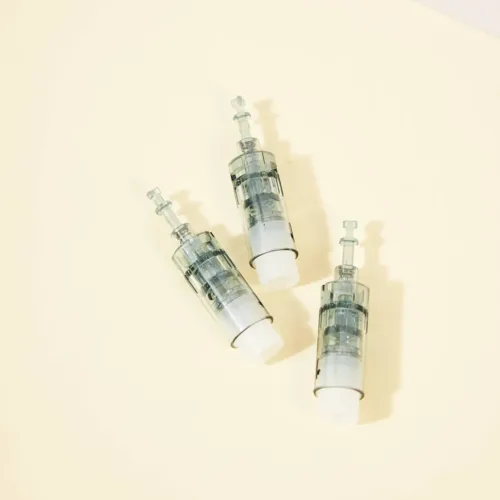
Home treatment does require discipline. You need to use the right depth, keep cartridges single-use, follow skin prep and aftercare carefully, and avoid over-treating. At-home microneedling is not difficult, but it does reward users who take safety seriously.
Results: faster in clinic, steadier at home
If you want the shortest answer on results, professional microneedling usually delivers faster visible change. Home microneedling usually delivers slower but more flexible progress.
That does not mean home treatments are weak. It means they are different by design. Lower-intensity sessions done consistently can support meaningful improvements in skin smoothness, radiance, and overall refinement. For many users, especially those treating early signs of aging or maintaining results over time, that is exactly what they want.
Professional treatment, on the other hand, often makes more sense when you are trying to move the needle on something more established. Deep acne scars, more pronounced loss of firmness, and heavier texture concerns often respond better to treatment levels that belong in a professional environment.
A useful way to think about it is this: clinic microneedling is often the stronger correction strategy, while home microneedling is often the stronger consistency strategy.
Safety is where the comparison gets serious
Any conversation about professional microneedling vs home needs to be honest about safety. Microneedling is effective because it creates controlled injury. The word controlled matters.
In a clinic, sanitation standards and treatment protocols are part of the service. At home, those standards become your responsibility. That is why device quality matters, cartridge quality matters, and user technique matters. A proper at-home setup should include adjustable depth control, single-use sterile cartridges, and clear guidance on how to treat different areas without pushing beyond safe limits.
Problems usually happen when users chase professional-level intensity at home, use poor-quality tools, reuse cartridges, or needle over irritated or compromised skin. More aggressive does not automatically mean more effective. It can mean more inflammation, more downtime, and greater risk of setbacks.
For home users, good results usually come from a measured approach. Clean skin, correct depth, light technique, and smart aftercare outperform rushed or overly aggressive treatment every time.
Which option is better for specific skin concerns?
For acne scars, the answer depends on severity. Mild textural scarring may respond well to consistent home microneedling, especially when combined with a strong skincare routine. Deeper atrophic scars usually lean professional because they often need more intensive treatment parameters.
For fine lines and early aging concerns, home microneedling is often a strong fit. These concerns respond well to routine collagen support, and many users prefer the convenience of treating regularly rather than booking repeated appointments.
For pigmentation, caution matters more than intensity. Microneedling can support a more even-looking complexion, but if you are prone to post-inflammatory hyperpigmentation, technique and aftercare are critical. This is an area where some users prefer professional oversight, while others do well at home with a conservative, skin-respecting plan.
For dullness, rough texture, and product absorption, home treatment is especially practical. These are concerns where consistency often matters more than extreme treatment depth.
The best choice may not be either-or
Many experienced skincare users do not treat this as a strict competition. They use professional sessions strategically and home microneedling for maintenance between them. That approach can make sense when you want stronger correction at first and then a more cost-effective way to support results.
Others skip the clinic entirely because their concerns are moderate, their schedule is tight, and they want long-term control over their routine. With the right device and proper technique, that can be a smart path. Brands focused on authentic, professional-grade home tools, including Dr. Pen Official Store, are built around that idea: giving users more precision, safety support, and reliable performance without the clinic price tag attached to every session.
How to decide between professional microneedling vs home
Start with your goal, not the trend. If you want to address deep scars quickly and want expert oversight, professional treatment is likely the stronger option. If you want gradual skin rejuvenation, more routine flexibility, and better value over time, home microneedling may fit better.
Then be honest about your habits. If you know you follow instructions carefully, replace cartridges consistently, and respect aftercare, at-home treatment can be a very effective part of your regimen. If you prefer having a provider manage everything for you, the clinic route may feel more reassuring.
The smartest decision is the one that matches your skin concern and your ability to stay consistent safely. Better skin is not just about what is most powerful on paper. It is about what you can do correctly, repeat confidently, and maintain over time.
If you are choosing home microneedling, choose precision over guesswork and patience over intensity. Skin tends to reward the routine that is done well, not the one that sounds the most dramatic.