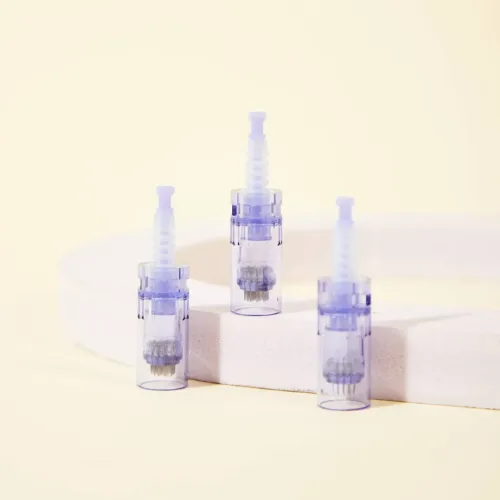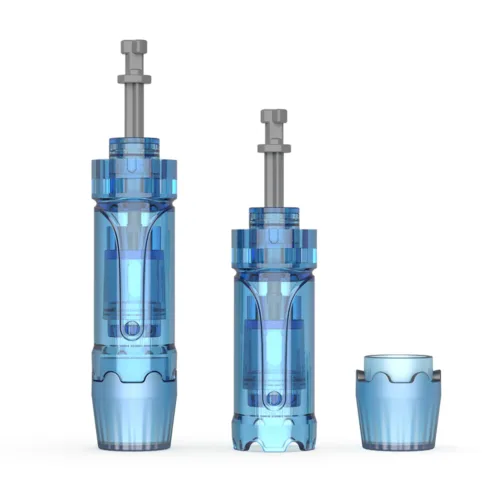
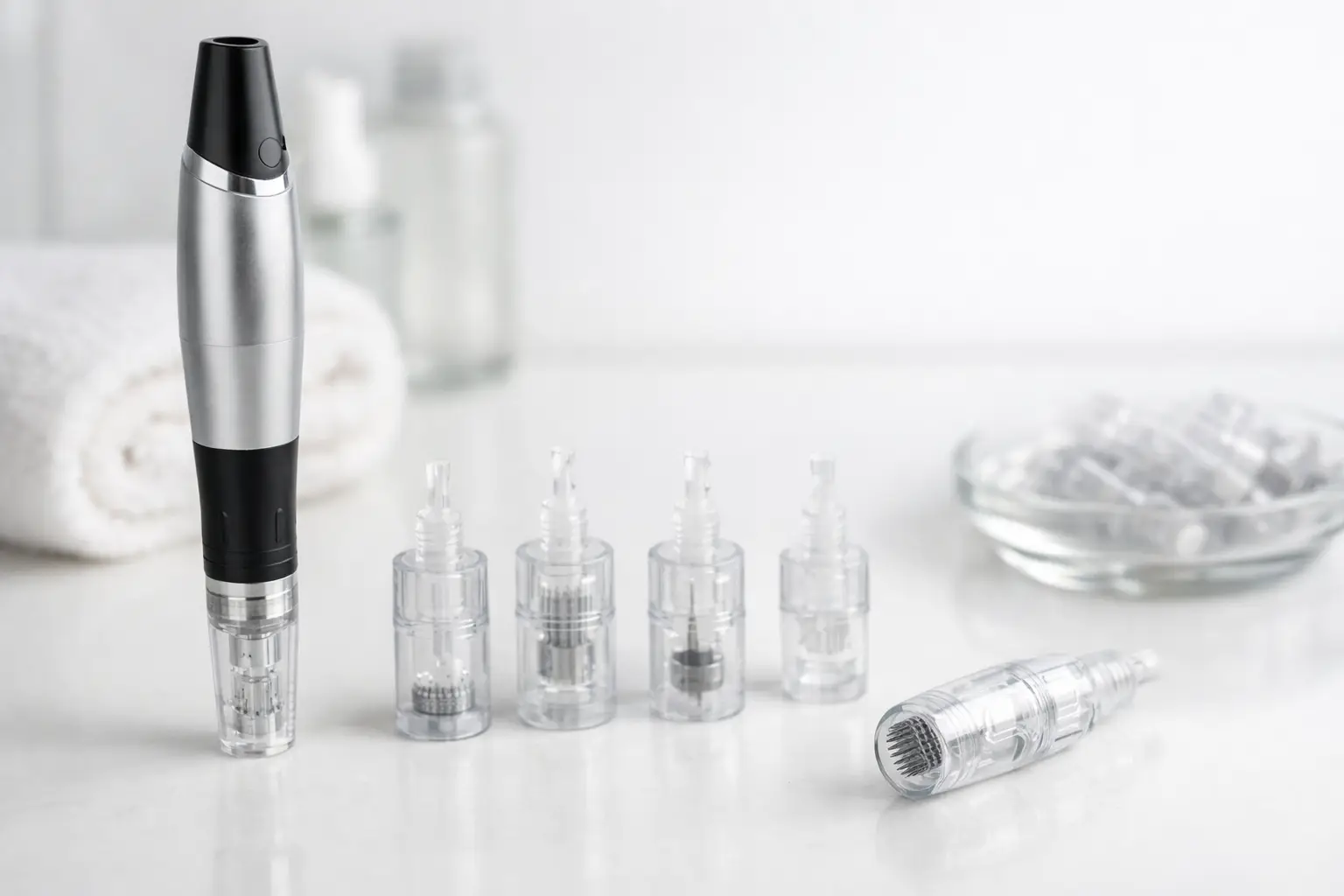
The wrong cartridge can make a good microneedling device feel underwhelming. If your goal is smoother texture, softer acne scars, better serum absorption, or a more refined look overall, this microneedling cartridge selection guide helps you choose the cartridge that fits your skin concern, treatment area, and experience level – not just your device.
A lot of at-home users focus on the pen first and treat cartridges like an accessory. In practice, the cartridge affects how the treatment feels, how precisely you can work, and how evenly the skin is stamped or glided. That is why cartridge choice matters just as much as device choice when you want professional-looking results at home.
Why cartridge choice changes your results
Microneedling cartridges are not one-size-fits-all. Needle count, cartridge shape, and intended treatment area all influence performance. A cartridge designed for broader facial rejuvenation may not be the best option for the nose, upper lip, or around the eyes. Likewise, a cartridge that gives controlled precision on smaller areas may feel less efficient when you are treating larger sections of the face.
There is also a balance between coverage and precision. Higher needle-count cartridges can treat more surface area in fewer passes, which many users prefer for full-face sessions. Lower-count or more targeted cartridges can offer more control, especially on small zones or uneven contours. Neither is automatically better. The better choice depends on what you are treating and how confidently you can handle the device.
Microneedling cartridge selection guide by treatment goal
If your main goal is overall rejuvenation, including texture refinement and improved product absorption, standard multi-needle cartridges are usually the most practical starting point. They provide even coverage and work well for routine facial sessions when you want skin to look fresher, smoother, and more radiant over time.
For post-acne texture and shallow scarring, users often want more focused treatment with enough coverage to work efficiently across the cheeks or other affected areas. In those cases, a cartridge with a balanced needle count is often the most versatile option. It gives enough contact with the skin to support visible progress, while still allowing you to move carefully over uneven texture.
If pigmentation and dullness are the concern, cartridge choice still matters, but technique and consistency matter just as much. A cartridge suited for full-face treatment can help support even coverage across larger areas where tone looks patchy or tired. The goal is not aggressive treatment. It is controlled, repeatable stimulation that supports a brighter, more refined appearance over a series of sessions.
For delicate zones, precision becomes the priority. Around the eyes, near the lips, and around the nose, a cartridge that feels easy to control is usually the safer call. Large cartridges can be awkward in tight areas. Smaller or more targeted options let you follow facial contours more accurately and reduce the temptation to overwork the skin.
Needle count and what it really means
One of the most common questions in any microneedling cartridge selection guide is whether more needles mean better results. Not necessarily.
Higher needle counts can increase coverage, which is useful for broader treatment areas like the cheeks, forehead, or full face. They can make sessions more efficient and may help the treatment feel more uniform in experienced hands. That said, they are not automatically the best option for every user or every concern.
Lower needle-count cartridges can offer more controlled contact, especially for targeted work. Many users like them for spot-focused treatment or for areas where precision matters more than speed. If you are newer to microneedling, this extra sense of control can make your routine easier to manage.
The practical takeaway is simple: choose for the area and goal, not for the biggest number on the box. More needles can mean faster coverage. Fewer needles can mean better maneuverability. The right balance depends on your skin plan.
Match the cartridge to the treatment area
Full-face sessions usually call for a cartridge that can cover skin efficiently without feeling bulky. This is where many standard facial cartridges perform best. They are designed to help create consistent passes across larger areas, which supports more even treatment from one section of the face to the next.
Cheeks and forehead are generally more forgiving than tighter facial zones. If those are your primary focus, you can usually prioritize coverage. If you are treating acne scars concentrated on the cheeks, a versatile cartridge can help you work methodically without switching tools mid-session.
Smaller areas need a different approach. The nose, upper lip, and orbital area are harder to treat cleanly with a broader cartridge. A more compact or precision-oriented option gives you better control and can help you avoid unnecessary overlap.
If you are treating the neck, cartridge choice often comes down to skin sensitivity and treatment style. The neck can respond well to microneedling, but it also tends to show irritation more easily than the face. Many users do better with a controlled, measured approach rather than trying to finish quickly with overly aggressive coverage.
Compatibility comes first
Before comparing needle counts or treatment styles, confirm cartridge compatibility with your device model. This step sounds obvious, but it is where many purchasing mistakes happen. Cartridge systems are often model-specific, and even products that look similar may not fit or perform correctly across different pens.
If you use a device from a specific family such as the A20, M8, M8S, A11, or Q2, buy the cartridge designed for that model. A proper fit supports stable needle movement, safer treatment, and more reliable results. It also protects the performance of the device itself.
This is one reason shoppers value buying from an official source like Dr. Pen Official Store. Clear cartridge matching removes guesswork, especially if you are replenishing supplies and want confidence that what arrives is authentic and compatible.
Safety is part of selection
A good cartridge is not just about results. It is also about skin safety. Disposable, single-use cartridges matter because microneedling creates controlled micro-injuries in the skin. Reusing cartridges or buying questionable replacements adds unnecessary risk.
Look for cartridges that are sealed, intended for single use, and made for your exact device. Sharp, clean needles support smoother performance and a more predictable treatment experience. Dull or low-quality needles can drag, increase discomfort, and compromise consistency.
It also helps to be realistic about treatment depth and frequency. Even the right cartridge will not compensate for poor technique or overuse. If your skin is sensitive, reactive, or new to microneedling, starting conservatively is usually the smarter route.
How beginners should choose
If you are new to at-home microneedling, keep your first cartridge choice simple. Go with a standard cartridge designed for general facial use on your device model. That gives you the most straightforward learning curve and helps you build confidence with movement, pressure, and session pacing.
Beginners often assume they need a highly specialized cartridge right away because their skin concern feels specific. In reality, most people benefit from mastering the basics first. Once you know how your skin responds and which areas you treat most often, it becomes much easier to add more targeted cartridge options.
The smartest beginner strategy is not to chase the most aggressive setup. It is to choose a cartridge that feels controlled, hygienic, and well-matched to your device and routine.
How experienced users can refine their setup
Experienced users tend to think in terms of treatment plans rather than single sessions. That is where cartridge selection becomes more strategic. You might prefer one cartridge for full-face maintenance and another for detailed work around the eyes, lips, or scar-prone zones.
This approach can improve both efficiency and precision. It also reflects how skin goals evolve. Once texture improves or breakouts become less frequent, your cartridge needs may shift from correction to maintenance. Choosing cartridges based on current priorities keeps your routine effective instead of repetitive.
The key is to stay disciplined. Using multiple cartridge types only helps if each one has a clear role in your routine.
When to switch cartridge types
If treatments feel awkward in certain areas, if coverage seems uneven, or if you are spending too much time trying to work around facial contours, your cartridge may not be the best fit. That does not always mean the treatment is failing. It may simply mean your current cartridge is better suited to a different area or goal.
You may also want to switch if your routine has changed. A user focused on acne scars six months ago may now care more about tone, firmness, and maintenance. As your skin improves, your ideal cartridge setup can change with it.
The best cartridge choice is the one that supports consistent, safe treatments you can realistically maintain. Good microneedling is not about doing the most. It is about matching the tool to the skin in front of you.
Choosing well at the start saves frustration later. When your cartridge fits your device, your treatment area, and your skin goal, every session feels more precise – and that is what helps turn microneedling from a hopeful purchase into a routine that delivers visible results.