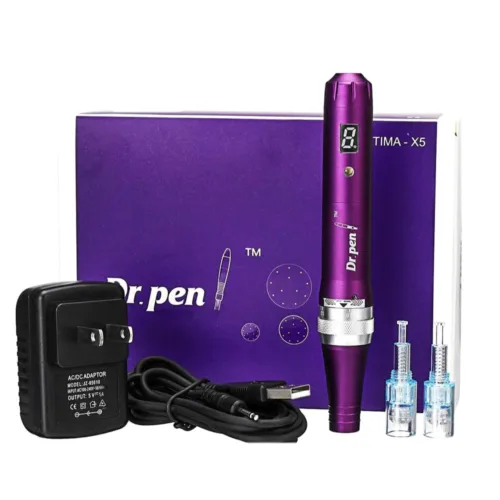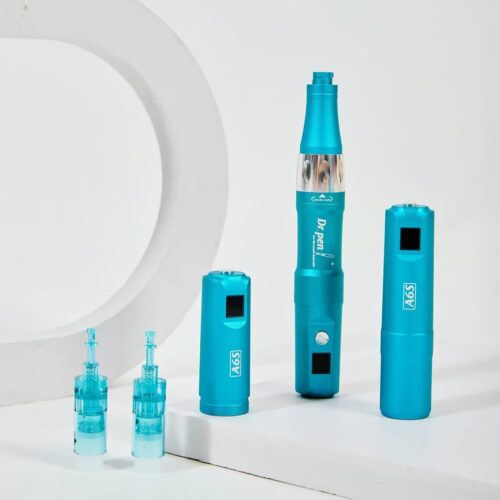

A microneedling pen can look convincing in a product photo and still be the wrong choice once it reaches your hands. That is exactly why authentic dr pen devices matter. When a device is used on your skin, build quality, cartridge fit, needle consistency, and power stability are not small details – they directly affect safety, comfort, and results.
At-home microneedling has become a smart option for people who want smoother texture, softer-looking acne scars, improved product absorption, and a more refined overall appearance without constant clinic appointments. But the rise in demand has also made room for imitation devices that copy the look of a trusted pen without delivering the same performance. If your goal is professional-grade skin rejuvenation at home, authenticity should be part of your skincare routine, not an afterthought.
Why authentic dr pen devices matter
Microneedling is a precision treatment. The device needs to operate consistently so needle movement stays controlled and treatment remains even across the skin. Authentic pens are designed around that consistency. They are built to work with compatible cartridges, adjustable depth settings, and stable motor performance so the treatment feels controlled rather than unpredictable.
That matters whether you are targeting early signs of aging, uneven texture, enlarged-looking pores, or post-acne marks. A pen that drags, skips, overheats, or fails to seat the cartridge correctly can compromise both the experience and the outcome. Even if a counterfeit version looks similar at a glance, small differences in manufacturing can affect how safely and effectively the device performs.
There is also the issue of skin confidence. Most buyers choosing a Dr. Pen device are not shopping for novelty. They want visible results, less downtime than more aggressive treatments, and the convenience of maintaining progress at home. An authentic product supports that goal with reliable operation and better compatibility across the system, especially when paired with model-specific, single-use cartridges.
What separates authentic dr pen devices from imitations
The biggest difference is not always what you can see first. Counterfeit devices often imitate packaging, product photos, and even model names. The more meaningful distinctions tend to show up in how the device feels, how the cartridges fit, and how the pen performs during use.
Authentic devices usually present better overall construction. The body feels secure in hand, the controls operate cleanly, and the connection points are made to fit correctly rather than loosely. Cartridge installation should feel precise, not forced. Depth adjustment should move as intended and hold its setting. During treatment, speed should remain steady instead of fluctuating unexpectedly.
Packaging can also offer clues, but it should never be your only test. Clean branding, product labeling, and properly matched accessories matter, yet counterfeit sellers know buyers look for those signs. That is why source matters as much as appearance. A device purchased from an official or trusted specialist store is simply easier to verify than one purchased through a vague listing with limited product support.
Price is another signal, although not a perfect one. A dramatic discount can be appealing, especially for first-time users, but a price that seems far below the expected range often comes with trade-offs. In beauty technology, unusually cheap often means corners were cut somewhere – in the device itself, in cartridge quality, in support, or in authenticity.
The risks of buying a counterfeit microneedling pen
The most immediate risk is inconsistency. Microneedling depends on controlled punctures to support skin renewal and better topical absorption. If the motor output is unstable or the cartridge alignment is off, the treatment can become uneven. That does not just affect results. It can also affect comfort and increase the chance of avoidable irritation.
The second concern is hygiene and compatibility. Disposable cartridges should be single-use and made for the device model you are using. With counterfeit products, there is often less confidence around how cartridges were manufactured, packaged, or matched. That uncertainty is not worth bringing into a treatment that interacts directly with the skin barrier.
Then there is durability. Some imitation pens may work briefly and fail early, sometimes after only a handful of sessions. Buyers end up paying twice – once for the cheap device, and again for a replacement they should have purchased first. What looked like a savings decision becomes a more expensive one.
How to buy with confidence
If you are comparing sellers, start with the source before you start with the specs. A reputable store should clearly specialize in Dr. Pen devices and compatible cartridges, not treat them as random add-ons among unrelated products. It should offer model guidance, clear product descriptions, cartridge compatibility information, and customer support that can answer real pre-purchase questions.
That level of support is especially helpful because the best device depends on your needs. Some users want a streamlined model for general home maintenance. Others want more advanced control, stronger battery performance, or a specific device family they have used before. A trusted seller helps narrow that choice without guesswork.
It is also worth checking whether the cartridges offered are clearly tied to the exact model family. Authentic systems are built around fit and compatibility. If a listing is vague about what works with what, that is a warning sign. So is language that overpromises medical-grade miracles while saying very little about safe use, replacement cartridges, or after-sales support.
For many buyers, confidence comes from shopping with a dedicated source such as Dr. Pen Official Store, where device authenticity, cartridge matching, and product guidance are central rather than secondary.
What to check after your device arrives
Once your pen is in hand, inspect it before first use. The device body should feel solid, not flimsy. Controls should respond smoothly. If the model includes adjustable depth and speed settings, those features should operate clearly and predictably.
Next, check cartridge fit. A compatible cartridge should attach correctly and sit securely. If the connection feels loose, awkward, or inconsistent, stop there and verify the product. Microneedling is not an area where you want to improvise.
You should also look for overall consistency in presentation. The pen, included accessories, and packaging should feel like parts of the same product system. Mismatched items, unclear labeling, or a generally unfinished presentation can signal that something is off.
None of this replaces buying from a trusted source in the first place, but it gives you one more layer of reassurance before the device touches your skin.
Authenticity and results go together
People often separate safety from performance, but with microneedling the two are tied together. Better device consistency supports better treatment consistency. Better cartridge compatibility supports smoother handling. Better reliability supports the confidence to keep a regular routine, and consistency is what usually drives visible progress over time.
That does not mean every person needs the same model or the most advanced pen in the lineup. It depends on your skin goals, your experience level, and how often you plan to use the device. A first-time user focused on texture and glow may want a simple, approachable model. A more experienced buyer may prefer specific features or a familiar device family. What stays the same is the value of choosing an authentic product.
If you are serious about at-home skin rejuvenation, authenticity is not just about avoiding fakes. It is about protecting your investment, your routine, and your skin. The right pen should help you treat with confidence, support reliable results, and make every session feel like a step forward rather than a risk.
When a device is designed to deliver professional results with minimal downtime, you want the real version in your hand. That is the difference between guessing your way through microneedling and building a routine you can actually trust.