Hair thinning rarely starts all at once. More often, it shows up in the shower drain, around the temples, or in the way your part suddenly looks wider under bright light. That is why interest in Dr. Pen hair growth treatments keeps rising – people want a practical, at-home option that feels more advanced than another shampoo, but less expensive and time-consuming than constant clinic visits.
The key question is simple: can microneedling the scalp actually help with hair growth? In many cases, it can support better-looking density and a healthier scalp environment. But like most results-driven beauty treatments, the real answer depends on consistency, technique, and whether the underlying cause of hair loss is something microneedling can realistically address.
How Dr. Pen hair growth treatments are meant to work
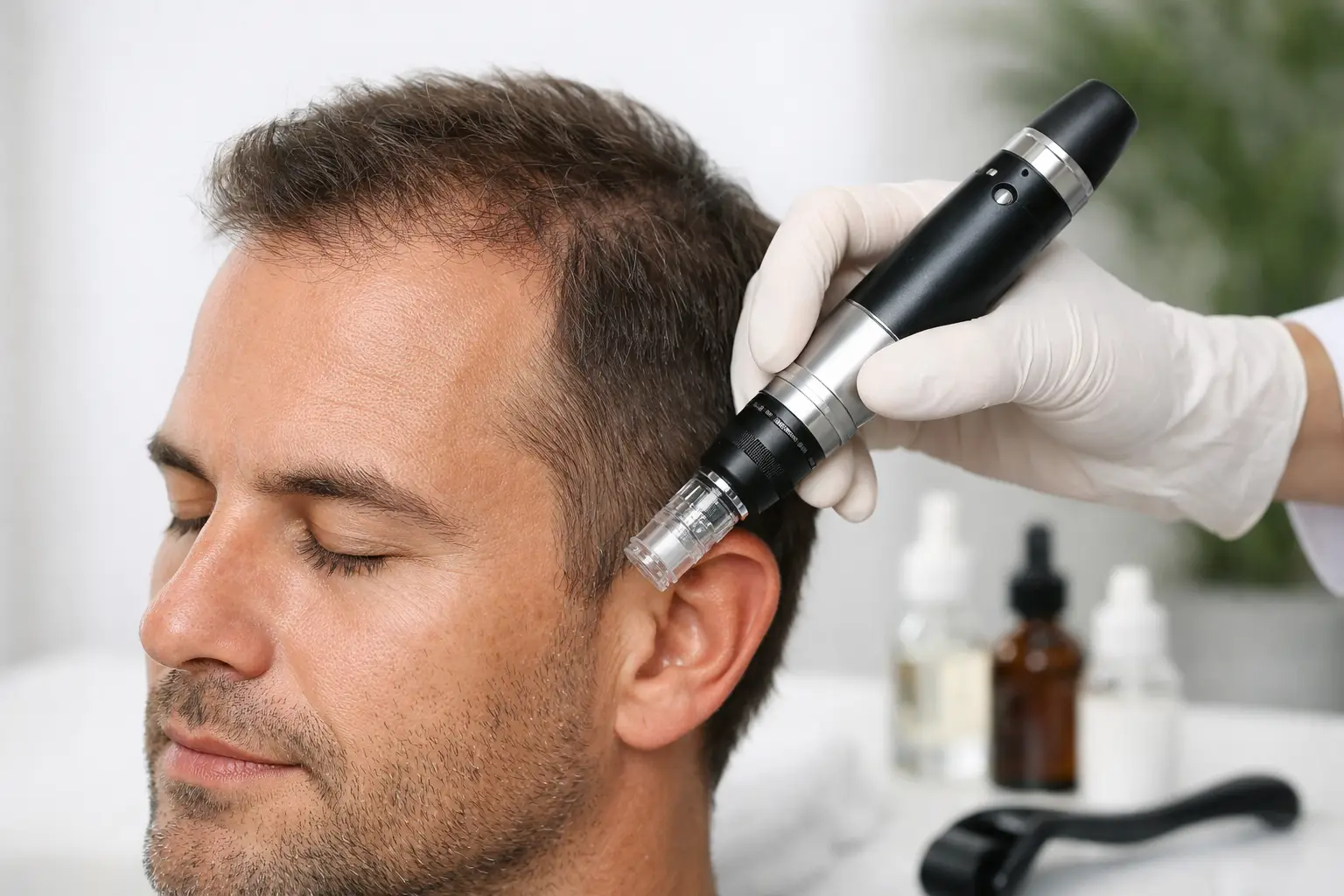
Microneedling creates controlled micro-channels in the skin using fine, adjustable needles. On the scalp, that process is designed to support natural renewal and improve the way topical formulas interact with the skin surface. For people focused on hair thinning, the goal is not simply poking the scalp and hoping for the best. The goal is to stimulate the area in a precise, repeatable way that may help create better conditions for fuller-looking hair over time.
This matters because the scalp is skin, and scalp health plays a major role in how hair looks and behaves. When microneedling is done properly, it may support circulation, encourage the skin’s repair response, and improve absorption of selected growth-supporting serums. That combination is what makes the category so appealing.
At the same time, it is not a magic fix. If hair thinning is tied to hormones, major stress, nutritional deficiencies, medical conditions, or active scalp irritation, microneedling is only one piece of a bigger picture. It can be useful, but it does not replace diagnosis or targeted treatment when something deeper is driving the problem.
What kind of results can you realistically expect?
The most realistic expectation is gradual improvement, not overnight regrowth. Some users notice the scalp feels healthier and less congested first. Others begin to see baby hairs around the hairline or a reduction in excessive shedding after several weeks or months. Visible change tends to happen slowly because hair growth itself is slow.
Consistency matters more than intensity. A well-planned routine with the correct needle depth, clean cartridges, and appropriate spacing between treatments is more effective than overly aggressive sessions that leave the scalp irritated. A calm, healthy scalp is far more likely to support good results than one that is inflamed from improper use.
It also helps to distinguish between improving the appearance of thinning and reversing advanced hair loss. Dr. Pen hair growth routines may be most helpful for early-stage thinning, diffuse shedding, or people who want to support stronger-looking hair as part of a broader regimen. If follicles have been inactive for a long time, results may be limited.
Why device quality and safety matter on the scalp
The scalp is not the place for guesswork. A professional-style microneedling pen gives you more control than fixed, low-quality rollers because needle depth can be adjusted and the treatment is more precise across curved areas of the head. That precision matters when you are working around the hairline, crown, or patchy thinning zones.
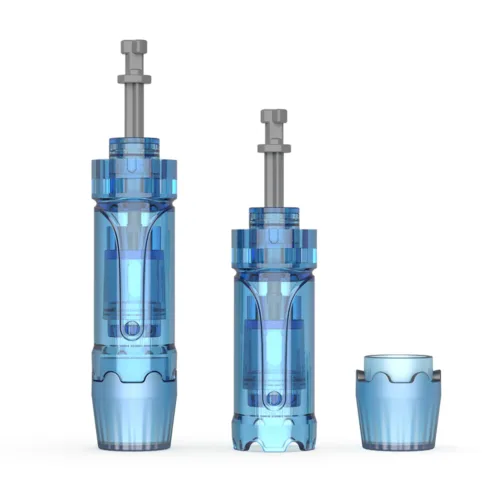
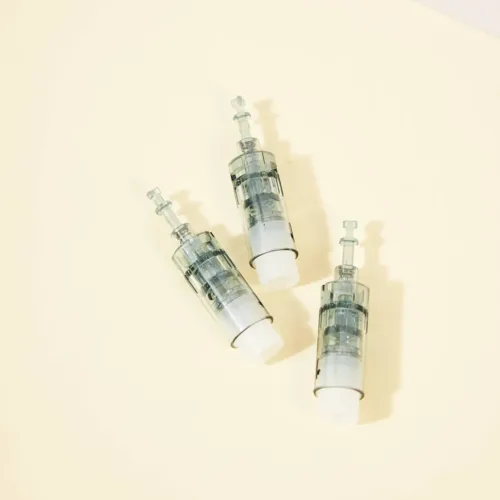
Single-use disposable cartridges matter just as much. Clean technique supports skin safety and helps reduce unnecessary irritation. Authentic devices and compatible cartridges are not just a product preference – they are part of getting a controlled treatment instead of an inconsistent one.
For at-home users, this is where a trusted system makes a difference. Devices designed for stable performance, adjustable settings, and hygienic cartridge replacement are better suited for repeat scalp treatments than generic tools that offer little control.
How to approach scalp microneedling safely
A careful approach almost always beats an aggressive one. The scalp should be clean before treatment, and hair products should be kept minimal so there is less residue sitting on the skin. Sectioning the hair helps expose the target area and improves consistency.
Needle depth is one of the biggest variables. Too shallow may not do much. Too deep can create unnecessary discomfort and downtime. The right depth depends on the treatment area, sensitivity, and experience level. Many at-home users start conservatively and adjust only if the scalp is tolerating sessions well.
The pressure should stay light and controlled. You are aiming for even coverage, not trauma. Mild redness can be normal, but significant irritation, prolonged tenderness, or visible damage are signs the session was too aggressive.
After treatment, the scalp needs support, not overload. Gentle aftercare and carefully selected topicals are usually the better move. Harsh styling products, heavily fragranced formulas, and anything likely to sting should be approached with caution, especially right after microneedling.
Dr. Pen hair growth and topical products
One reason microneedling is often paired with scalp care is that the micro-channels can improve product absorption. That does not mean every serum belongs on freshly treated skin. Formula choice matters.
Lightweight, scalp-friendly products are usually the best fit. If a formula is designed to support hydration and scalp comfort, it may complement the treatment well. If it contains a long list of potential irritants, stronger is not necessarily better. A formula that leaves the scalp angry can work against your results.
This is where a less-is-more mindset helps. A focused routine is often easier to follow and gentler on the scalp than stacking too many actives at once. For many users, the best regimen is the one they can repeat consistently without creating sensitivity.
Who is a good candidate for at-home scalp microneedling?
People with mild to moderate thinning are often the best fit, especially if they want a clinic-style tool they can use at home with more control than basic scalp gadgets. It can also appeal to experienced skincare device users who are comfortable following a treatment schedule and prioritizing hygiene.
It may be less appropriate for anyone with active scalp infections, open lesions, severe dandruff flares, psoriasis in the treatment area, or unexplained sudden hair loss. In those cases, the smarter move is to get the scalp evaluated before starting. The same applies if you are prone to poor wound healing or have a condition that makes microneedling unsuitable.
There is also the reality that some people simply want a low-effort solution. Scalp microneedling is not that. It is effective for the right user because it is deliberate. You need a device you trust, replacement cartridges, a clean setup, and the patience to stay consistent.
How long does it take to see change?
Hair operates on a long cycle, so results usually take time. Some people see early signs of improvement in 8 to 12 weeks, while more noticeable cosmetic changes may take several months. That timeline can feel slow, but it is normal.
The better question is whether progress is moving in the right direction. Is shedding becoming less dramatic? Does the scalp feel healthier? Is the part line looking a bit tighter? Are there signs of fine new growth around the edges? Small changes count, especially in the early stages.
Taking photos under the same lighting every few weeks can help. Hair growth is easy to judge emotionally and hard to judge accurately day to day. A visual record gives you a clearer sense of whether your routine is helping.
Common mistakes that can limit results
The first is doing too much too soon. More pressure, deeper needles, and more frequent sessions do not automatically produce better growth. In many cases, they just increase irritation.
The second is inconsistent use. A treatment done once and then forgotten for a month is unlikely to deliver much. Hair-focused microneedling tends to reward disciplined routines.
The third is ignoring the bigger picture. If you are dealing with stress-related shedding, hormone changes, poor nutrition, or scalp inflammation, no device should be expected to solve everything on its own. Microneedling works best as part of a well-considered regimen.
Is Dr. Pen hair growth worth trying?
For the right person, yes. If you want a more advanced at-home option, value professional-style precision, and are prepared to stay consistent, scalp microneedling can be a smart addition to a hair support routine. It offers something many topical-only routines do not: a more active way to stimulate the scalp and potentially improve the performance of supportive products.
That said, the best results usually come from realistic expectations and safe habits. Professional-grade tools can deliver strong at-home potential, but only when used with care. Dr. Pen Official Store is built around that idea – authentic devices, compatible cartridges, and guidance that helps users prioritize both results and skin safety.
If your goal is thicker-looking hair, start with patience, a clean routine, and a device you can trust. The scalp often responds best when treatment is consistent, controlled, and treated like a long-term investment rather than a quick fix.