If you’re trying to support a thinning hairline or improve scalp health at home, knowing how to use microneedling pen on scalp correctly matters more than using it often. The scalp is not the same as facial skin. Hair gets in the way, the surface is less even, and using the wrong depth or poor technique can leave you irritated without improving results.
Done properly, scalp microneedling can help create a more favorable environment for topical absorption and healthy-looking hair support. Done carelessly, it can cause unnecessary redness, tenderness, and longer recovery time. The goal is controlled precision, not aggressive treatment.
How to use microneedling pen on scalp safely
Start with a clean scalp, a fully charged device, and a fresh single-use cartridge. If there is product buildup, heavy oil, sweat, or styling residue on the scalp, remove it first with a gentle cleanse and allow the area to dry completely. You want a clean treatment surface so the needles can move evenly and so you are not pressing unwanted residue into the skin.
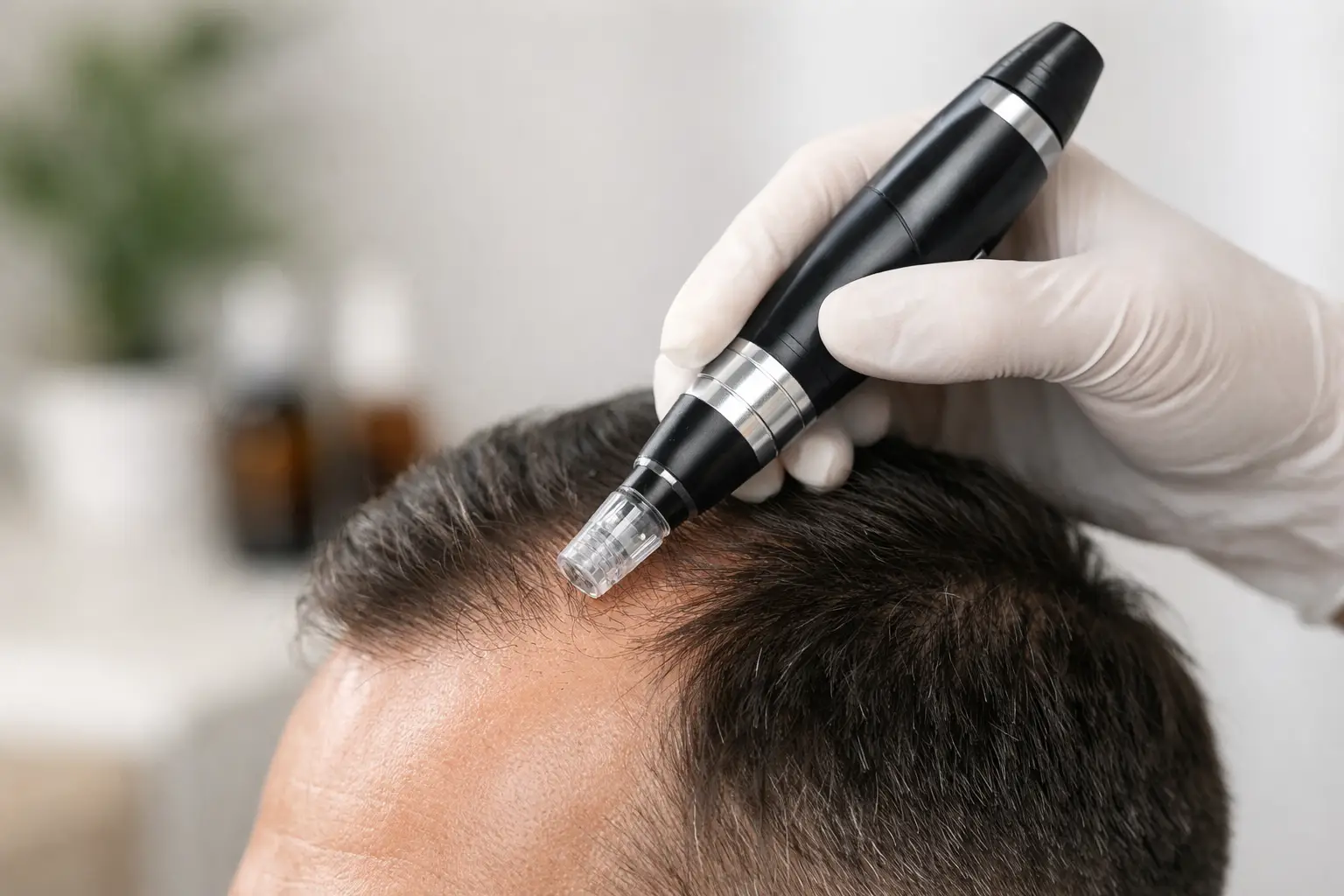
Part the hair in small sections so you can actually see the scalp. This is one of the biggest differences between facial microneedling and scalp treatment. Precision matters because the pen should contact skin, not drag through dense hair. Work methodically from one section to the next rather than moving randomly across the entire scalp.
Before treatment, disinfect the cartridge according to product guidance and attach it securely. Set the needle depth conservatively if you are new to scalp needling. Many at-home users begin at a shallow to moderate setting and adjust only after they understand how their scalp responds. The right depth depends on your device, your comfort level, the treatment area, and whether you are new or experienced. More depth does not automatically mean better results.
Once the pen is on, place it lightly against the scalp and move in small, controlled passes. You can work vertically, horizontally, and diagonally over each section to create even coverage. Avoid pressing hard. Let the device do the work. Excess pressure increases irritation and can make the treatment feel rough instead of precise.
The scalp should look mildly pink or red after treatment, but it should not look heavily abraded or actively injured. A little sensitivity is expected. Overworking the same area is not.
Choosing the right needle depth for scalp microneedling
Needle depth is where many users go wrong. For scalp work, the best setting depends on your tolerance, your experience, and your goal. If you’re focusing on regular at-home maintenance, shallower settings are often the smarter place to start. They are easier to tolerate, create less downtime, and reduce the chance of overdoing it.
If you are brand new, begin cautiously and test a small area first. A comfortable treatment that you can repeat consistently is usually more valuable than one intense session that leaves your scalp too irritated to continue on schedule. Experienced users may gradually increase depth, but only if the scalp is healing well and the technique is controlled.
Hair density also changes the experience. In areas with more hair, it can be harder to maintain even contact, so slower sectioning is often better than increasing depth. In sparse areas such as the temples or hairline, lighter pressure is especially important because the pen reaches skin more easily.
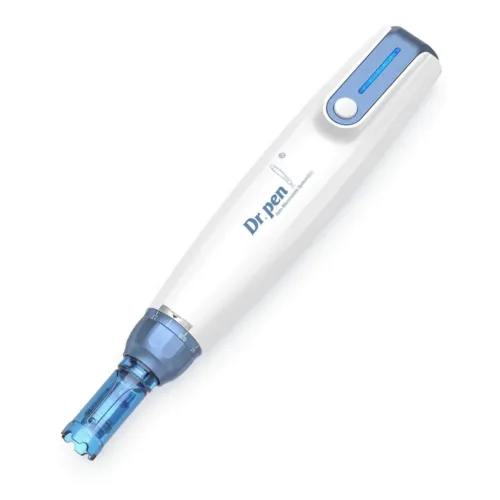
A professional-grade device with adjustable depth gives you more control here. That control is one reason many users prefer a microneedling pen over a roller for scalp treatment.
Why a microneedling pen works better than guessing
A pen gives you more consistent vertical needle entry, better depth control, and cleaner handling around the hairline and parted sections. On the scalp, those advantages are practical, not just technical. Hair can pull, snag, or block poor technique fast.
A quality pen also makes it easier to customize treatment based on the area. Your hairline may need a gentler approach than the crown, and different sections may feel more sensitive. With adjustable settings and fresh disposable cartridges, you can keep treatment more precise and more hygienic.
That doesn’t mean every session needs to be intense. In fact, scalp microneedling tends to work best when approached like a long-term routine rather than a one-time heavy treatment.
Step-by-step treatment technique
After cleansing and sectioning, begin at the front or one side of the scalp so you can track where you’ve already treated. Hold the skin relatively taut if needed, especially near the hairline, then glide the pen in short, controlled motions. Some users prefer stamping motions in smaller areas, while others prefer gentle gliding passes over broader sections. Both can work if the contact is even and the pressure stays light.
Treat one section fully before moving the hair and creating the next part. This keeps coverage more uniform and helps prevent missed spots. If the pen catches hair, stop and reposition. Do not force it through.
You do not need to chase pinpoint bleeding for an effective session. Mild redness and a sensation of heat are more typical goals for at-home scalp needling. Pushing beyond that can compromise comfort and healing.
Once finished, discard the cartridge after one use. Disposable cartridges are not designed for repeat sessions, and reusing them works against both performance and safety.
What to apply after microneedling the scalp
Immediately after treatment, keep aftercare simple. The scalp may be more sensitive and more absorbent than usual, so this is not the time for harsh formulas, heavy fragrance, or active ingredients that commonly sting. Gentle, scalp-friendly hydration is usually the best choice right after a session.
If you use a topical hair-support product as part of your routine, timing matters. Some users apply certain products too soon and end up with more irritation than benefit. It is often better to allow the scalp a short recovery window before returning to stronger formulas. The exact timing depends on the product and your sensitivity, so conservative use is the safer approach.
For the rest of the day, avoid anything likely to stress the scalp, including intense sweating, hot water, heavy sun exposure, or styling products that can irritate freshly treated skin.
How often should you microneedle your scalp?
Frequency depends on depth, recovery, and how your scalp responds. Shallower sessions may be tolerated more often, while deeper treatments require more time between sessions. The biggest mistake is treating again before the scalp has calmed down.
Look at recovery, not just the calendar. If you still have lingering tenderness, visible irritation, or flaking from the last session, wait. Consistency matters, but recovery matters more. A steady schedule with proper healing tends to produce better long-term results than frequent aggressive sessions.
For many at-home users, starting slower is the better plan. Once you know how your scalp reacts, you can build a routine that feels sustainable.
When not to use a microneedling pen on scalp
Do not microneedle over an actively irritated scalp. That includes areas with infection, open wounds, severe sunburn, inflamed rashes, or conditions that are currently flaring. If your scalp is already compromised, adding needles can worsen the problem rather than support progress.
You should also pause treatment if you recently used harsh exfoliating products on the scalp or if the skin feels unusually reactive. If you have a diagnosed scalp condition or you’re unsure whether microneedling is appropriate for your situation, getting medical guidance first is the safer move.
This is especially true if hair shedding is sudden, patchy, or linked to a possible underlying health issue. A device can support a routine, but it does not replace diagnosis.
Common mistakes that slow results
Most poor scalp microneedling experiences come down to a few avoidable habits. Using too much pressure, choosing too much depth too early, treating over dirty skin, and repeating sessions before the scalp has recovered are the most common.
Another issue is poor sectioning. If the device is gliding over hair instead of making even contact with the scalp, your session may feel productive without actually being precise. Good scalp treatment is neat, methodical, and controlled.
Device quality matters too. A reliable pen with adjustable settings and compatible sterile cartridges helps reduce guesswork. For users who want professional results at home, that control is part of the value. Brands such as Dr. Pen are popular for exactly that reason.
Patience also matters. Scalp care is rarely instant. The real advantage comes from using a safe routine you can maintain, not from pushing your scalp harder every week.
A good scalp microneedling session should feel deliberate, clean, and manageable. If you keep the technique precise and the aftercare gentle, you’re far more likely to build a routine your scalp can actually benefit from over time.