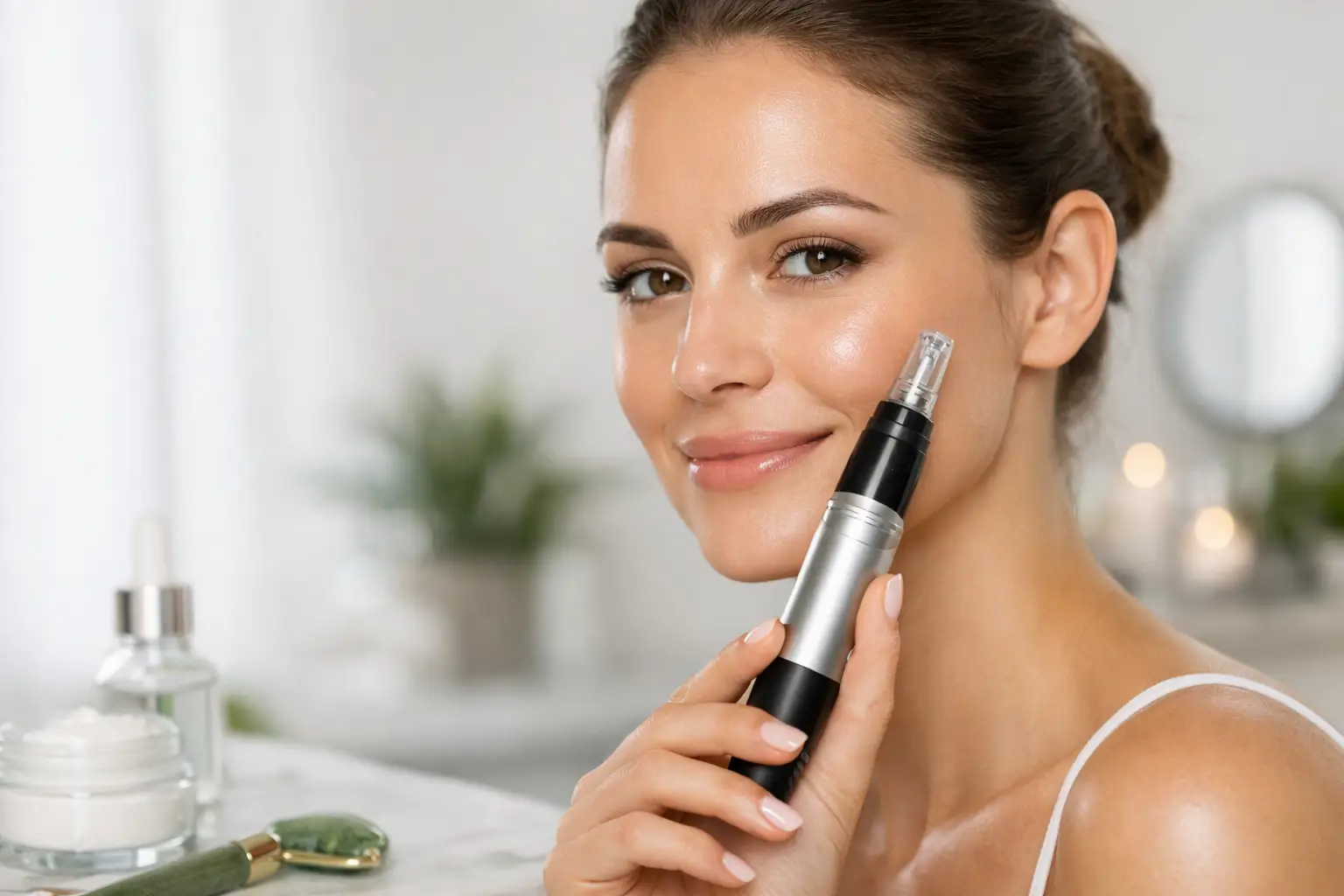
You do not need a packed clinic schedule to work on acne scars, uneven texture, or early signs of aging. A good collagen induction therapy guide can help you understand what microneedling is actually doing, where results come from, and how to approach it with the kind of care that leads to visible improvement instead of avoidable irritation.
Collagen induction therapy, often called microneedling, uses fine needles to create controlled micro-injuries in the skin. That sounds intense at first, but the goal is precision, not damage. Those tiny channels signal the skin’s repair response, which can support new collagen and elastin production over time. The result, when done correctly and consistently, is skin that looks smoother, firmer, and more even.
What collagen induction therapy really does
The biggest misconception is that microneedling gives instant transformation. It does not. What it does well is trigger a repair process that improves the skin gradually. That matters if your concerns are acne scarring, enlarged pores, rough texture, fine lines, or mild pigmentation left behind from breakouts.
Collagen is part of what keeps skin looking resilient and plump. As natural collagen production slows with age, skin can start to show laxity, creasing, and a less refined surface. Collagen induction therapy works by encouraging your skin to rebuild. Because this rebuilding takes time, results usually come in stages. You may notice a short-term glow early on, but more meaningful changes usually show up after a series of sessions.
It is also worth knowing what microneedling cannot do on its own. Deep ice-pick scars, active inflammatory acne, severe melasma, and significant skin laxity often need a more customized treatment plan. At-home devices can be highly effective for maintenance and moderate concerns, but they are not a substitute for every in-office procedure.
A practical collagen induction therapy guide for beginners
If you are new to at-home microneedling, technique matters just as much as the device itself. Professional-looking results come from a clean setup, the right needle depth, and realistic scheduling.
Start with clean skin and a disinfected treatment environment. Your cartridge should always be new, sealed, and single use. This is one of the most important safety points in any collagen induction therapy guide because reusing cartridges increases contamination risk and can compromise both skin health and results.
Needle depth is where many beginners either do too little or far too much. Depth should match the area you are treating and your level of experience. Thinner, more delicate areas usually require a shallower setting, while thicker skin or textural concerns may tolerate more depth. That does not mean deeper is automatically better. Aggressive settings can lead to longer downtime, more inflammation, and a greater chance of post-inflammatory pigmentation, especially in darker skin tones or reactive skin.
For first sessions, less is usually smarter. Skin responds well to controlled consistency. You are looking for even coverage and a measured treatment, not excessive redness or dragging.
What concerns respond best to microneedling
At-home collagen induction therapy tends to perform best when the goal is overall skin rejuvenation. Fine lines, mild acne scarring, uneven texture, and dullness are common areas where people see clear progress. Many users also notice that their skincare routine seems to work harder afterward because microchannels can improve short-term product penetration.
That said, product choice matters. Right after microneedling, skin is more vulnerable. This is not the time for strong acids, retinoids, heavily fragranced formulas, or anything that can sting compromised skin. A hydrating, calming, minimalist approach is usually best.
Pigmentation can be more complicated. Some discoloration responds well over time because microneedling supports healthier skin turnover and repair. But if your pigmentation is easily triggered by heat or inflammation, treatment must be conservative. For that reason, anyone with melasma-prone skin should be particularly careful with depth, frequency, and aftercare.
Choosing the right device and cartridge
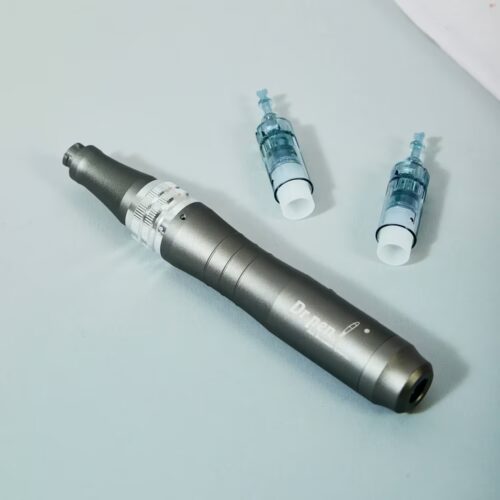
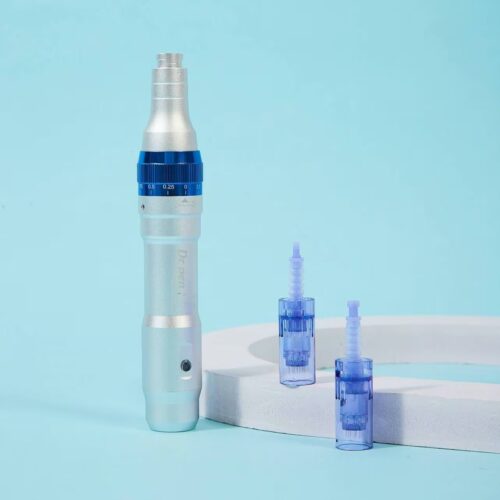
Not all microneedling tools feel the same in use or deliver the same treatment experience. A quality pen gives you more control through adjustable needle depth, stable needle movement, and model-specific disposable cartridges. That control is especially important when treating different zones of the face. The forehead, cheeks, under-eye perimeter, and jawline do not all need the same settings.
Cartridge choice also affects precision. More needle configurations are not always better for every user. Beginners often benefit from a setup that feels easy to guide and predictable on the skin. More experienced users may want to tailor cartridge selection to the treatment area and skin concern.
This is where buying from an official source matters. Authentic devices and compatible cartridges help reduce guesswork around fit, performance, and safety. For shoppers comparing options, Dr. Pen is often chosen because it offers a broad lineup of pens and cartridges built for different experience levels and treatment goals.
How often should you do collagen induction therapy?
Frequency depends on depth, skin sensitivity, and what you are trying to improve. This is one of the biggest it-depends areas in any honest collagen induction therapy guide.
A light cosmetic session with shallow depth can usually be done more often than a deeper collagen-focused treatment. If you go too frequently, especially before the skin has fully recovered, you can interrupt healing instead of supporting it. More sessions do not help if the skin is still inflamed.
For many people, a structured schedule with enough recovery time produces better outcomes than treating whenever the skin starts to look dull again. Think in terms of a treatment plan, not random sessions. Consistency over several months usually beats intensity over two weeks.
What to expect during and after treatment
During treatment, skin may look pink to red depending on the depth used and your individual sensitivity. Some areas may feel more intense than others, especially around bonier parts of the face. Mild warmth and tightness afterward are common.
The next 24 to 72 hours are about barrier support. Use gentle cleansing, hydration, and sun protection. Skip heavy workouts, saunas, hot water, and sun exposure right away if your skin is visibly inflamed. If your skin is sensitive, downtime can last a bit longer even with a careful session.
Do not judge your results the next morning. Early post-treatment skin can look plump or glowy because of temporary hydration shifts and mild swelling. True collagen remodeling takes longer. That slower timeline is not a flaw. It is the reason results can look natural rather than abrupt.
Common mistakes that slow progress
One of the most common mistakes is treating active acne. Microneedling over inflamed blemishes can spread bacteria and increase irritation. Wait until breakouts are controlled before targeting the marks they leave behind.
Another mistake is pairing microneedling with too many actives. People often assume more stimulation means faster results, but overloading freshly treated skin with exfoliants or potent serums can backfire. Stronger is not smarter when the skin barrier is open and reactive.
Poor hygiene is another issue that should never be minimized. Single-use cartridges, clean hands, clean skin, and proper device care are not optional details. They are the baseline for safer treatment.
And finally, impatience. Collagen induction therapy is one of those treatments where disciplined repetition matters more than dramatic one-time intensity. If you stay conservative, track your progress, and give the skin time to rebuild, your results are more likely to be steady and sustainable.
Who should pause or avoid at-home microneedling
At-home microneedling is not for everyone at every moment. If you have active acne, rosacea flares, open wounds, sunburn, skin infection, or a compromised skin barrier, it is better to wait. The same applies if you are prone to keloid scarring or are unsure how your skin reacts to controlled injury.
If you use prescription skincare or have a medical skin condition, getting individualized guidance first is the safer move. A good treatment plan starts with skin readiness, not just device enthusiasm.
The results most people are really looking for
For most users, the goal is not perfection. It is skin that looks smoother in daylight, makeup that sits better, pores that appear less obvious, and scars that no longer catch the light the same way. Those are realistic wins, and they are often exactly where collagen induction therapy shines.
The best approach is clinical in mindset but practical in execution. Use the right tool, respect needle depth, prioritize hygiene, and give your skin recovery time. When you treat microneedling as a long-term skin renewal strategy instead of a quick fix, the payoff tends to look more refined, more natural, and far more worth it.