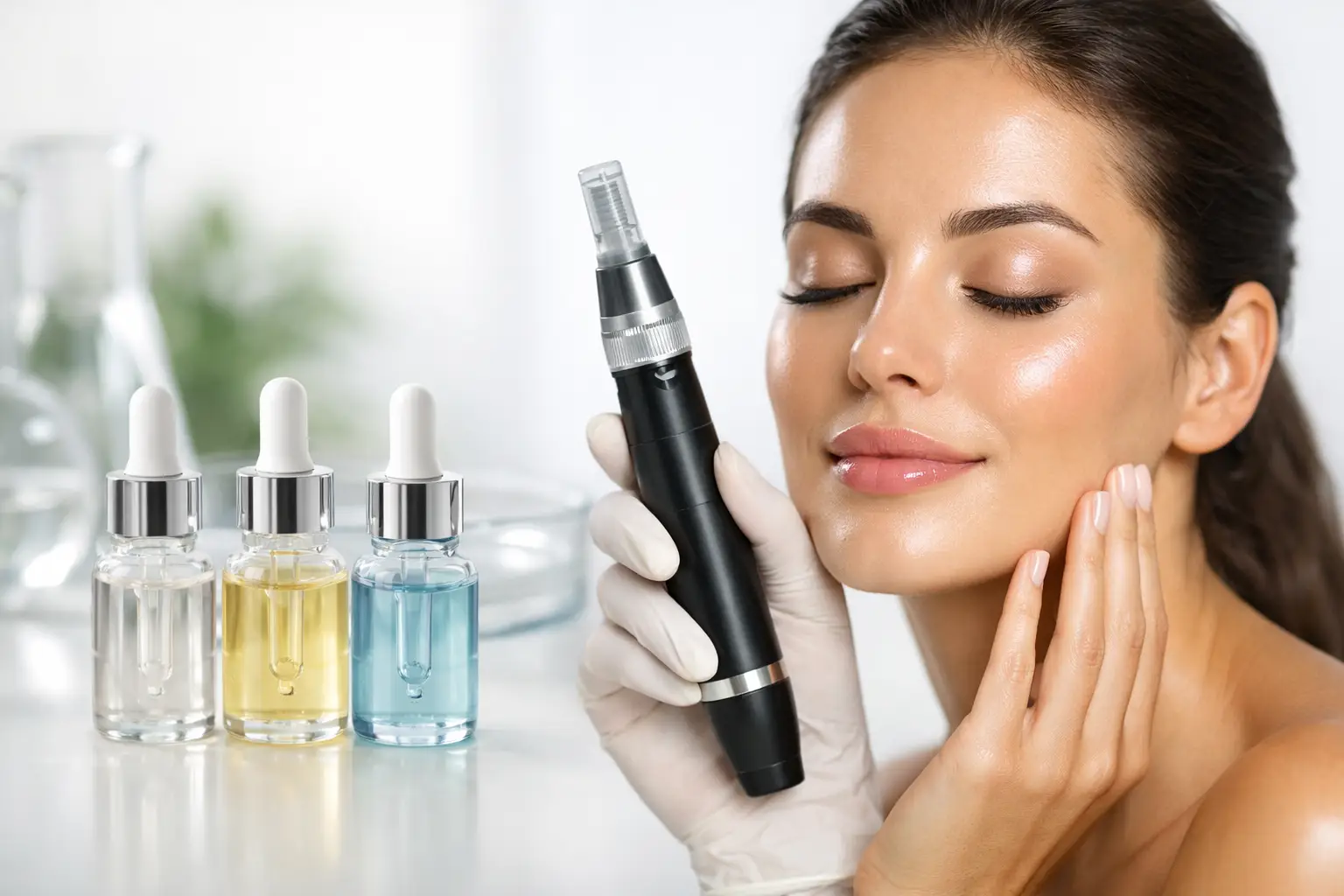
When skin is freshly microneedled, what you apply next matters almost as much as the treatment itself. That is why matrigen serums for microneedling get so much attention from at-home users who want smoother texture, better hydration, and a more refined finish without adding unnecessary irritation.
Microneedling creates controlled micro-channels in the skin. Those channels can improve the way well-formulated topical products interact with the surface, but they also make formula choice more important. A serum that feels fine in a regular routine may not be the right fit immediately after needling. With post-needling care, the goal is simple – support the skin, keep it comfortable, and avoid ingredients that can overwhelm it while it is more vulnerable.
Why matrigen serums for microneedling are popular
Matrigen serums are often chosen for one reason above all: they are typically positioned around skin support rather than aggressive exfoliation. That matters in a microneedling routine. After treatment, most users are not looking for a strong acid peel effect or a high-fragrance glow product. They want hydration, calming support, and a formula that works with the recovery process instead of competing with it.
Many serums used alongside microneedling focus on ingredients such as hyaluronic acid, peptides, soothing agents, and moisture-binding compounds. These are the categories people usually look for because they align with what skin tends to need after a procedure that can leave it temporarily pink, dry, or tight. The appeal is not just better comfort on treatment day. It is also the possibility of a smoother-looking recovery window and a more polished final result over time.
That said, not every serum in a brand lineup is automatically ideal for immediate post-needling use. This is where some confusion starts. A serum can be excellent in a general anti-aging routine and still be too active right after microneedling. The product category matters, but the exact formula matters more.
What to look for in a serum after microneedling
The best post-microneedling serums tend to be clean, simple, and barrier-conscious. Hydration is usually the first priority. Ingredients like hyaluronic acid can help draw water to the skin and reduce that dry, stretched feeling many users notice after a session.
Peptides are also commonly favored, especially by users focused on firmness, texture, or mature skin. They are often included in performance skincare because they support a smoother, healthier-looking appearance without the sting that stronger resurfacing actives can cause.
A good microneedling serum should also feel light and non-irritating. Heavy oils, strong essential oils, added fragrance, and high-strength acids are usually not the first choice right after treatment. The same goes for formulas with retinol or potent brightening acids during the immediate recovery phase. Those ingredients may have value in a broader skincare plan, but timing matters.
If you are evaluating matrigen serums for microneedling, read the ingredient profile with that lens. Ask whether the formula is designed to calm and hydrate, or whether it is built to exfoliate, resurface, or stimulate aggressively. For post-needling care, simpler is usually better.
Which skin goals they may support
Different users come to microneedling for different reasons, so the right serum is often tied to the result you care about most. If dehydration and dullness are the issue, a moisture-focused serum is usually the strongest match. It can help the skin look fresher and feel more comfortable during recovery.
For early signs of aging, peptides and skin-conditioning ingredients may make more sense. These formulas are often chosen by users targeting fine lines, loss of bounce, or an uneven surface feel. They fit well into a routine built around gradual, visible improvement rather than a dramatic overnight change.
If your main concern is post-acne texture or the look of old blemish marks, the safest strategy is still to prioritize skin support first. Many people want to reach immediately for brightening or resurfacing actives, but after microneedling, the skin usually responds better to calm hydration than to intensity. Once the skin has fully recovered, stronger corrective products can be reintroduced more strategically.
How to use matrigen serums for microneedling safely
Technique matters just as much as product choice. After a microneedling session, the skin should be treated as temporarily sensitized. Apply serum with clean hands to freshly treated skin, using a gentle pressing motion rather than rubbing aggressively. A little goes a long way if the formula has enough slip.
It is wise to keep the routine minimal for the first day or two, depending on needle depth and how your skin responds. This usually means focusing on a supportive serum, basic moisture if needed, and diligent sun protection once the skin is ready for it. More products do not necessarily mean better results. In fact, piling on multiple actives too soon can make recovery harder.
Users performing shallower cosmetic-depth treatments may find their skin settles quickly, sometimes within a day. Deeper sessions can involve more redness and a longer recovery window. That is where expectations need to stay realistic. A serum can support recovery, but it does not cancel out irritation caused by over-treatment, poor sanitation, or using the wrong needle depth for your skin.
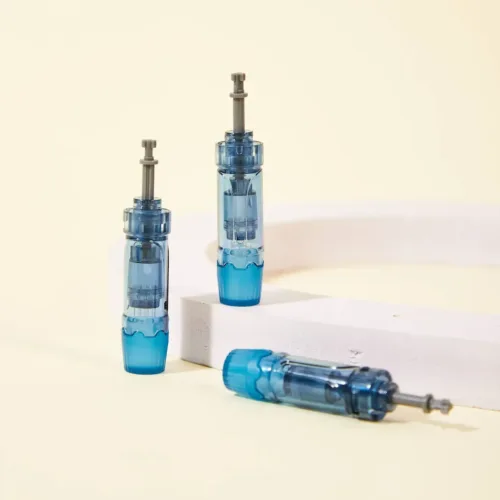
This is also why device quality and cartridge hygiene matter. Professional-style at-home microneedling works best when the whole system is sound – authentic device, sterile single-use cartridge, appropriate depth, and compatible skincare. Skincare alone cannot fix poor technique.
When a serum is not the right fit
A common mistake is assuming any “active” serum will perform better because microneedling boosts absorption. That can backfire. If a formula contains strong acids, retinoids, alcohol-heavy ingredients, or fragrance, increased penetration may lead to more sting, redness, or sensitivity than you expected.
Another issue is using a serum meant for long-term correction in the immediate post-treatment window. For example, some anti-pigmentation or anti-acne formulas are useful in a weekly routine, but not on freshly needled skin. There is a difference between a good serum and a good post-microneedling serum.
Patch testing is still smart, especially if your skin runs reactive. And if you have a history of sensitivity, rosacea-like flushing, or barrier damage, conservative product selection becomes even more important. Results-focused skincare works best when the skin can tolerate it.
How to choose the right formula for your skin type
Dry or mature skin usually benefits most from deeply hydrating and peptide-rich formulas. These can help reduce that tight post-treatment feeling and support a plumper look as the skin settles. If your routine is built around anti-aging, that is often the safest place to start.
Oily or breakout-prone skin still needs hydration after microneedling, even if heavy products tend to clog you at other times. Look for lightweight, non-greasy textures that focus on water-binding and soothing support. The goal is balance, not stripping.
Sensitive skin needs the most restraint. Choose formulas with fewer variables, fewer fragrance components, and a clear calming profile. If a serum promises five dramatic effects at once, it may not be the best match immediately after treatment.
For users building a complete at-home setup, this is where brand trust matters. A microneedling routine performs better when your device, cartridges, and topical support products are selected with the same priorities – skin safety, compatibility, and reliable results. That is one reason shoppers looking for clinical-style home care often prefer to buy from focused specialists such as Dr. Pen Official Store rather than piecing together products at random.
Realistic expectations from matrigen serums for microneedling
A serum is a support product, not the procedure itself. It can improve comfort, help the skin stay hydrated, and complement your overall results, but it will not replace consistent sessions, correct needle depth, or proper aftercare. The strongest outcomes usually come from the combination of methodical treatments and smart recovery support.
It also helps to think in terms of skin quality rather than instant transformation. The most noticeable benefit from a well-chosen serum may be that your skin feels less irritated, recovers more smoothly, and looks healthier in the days after treatment. Over multiple sessions, that kind of consistency is what tends to produce visible progress.
If you are choosing among matrigen serums for microneedling, the smartest move is not to chase the most aggressive formula. Choose the one that respects freshly treated skin, supports hydration, and fits your actual concern. Better recovery is often what sets up better results.